
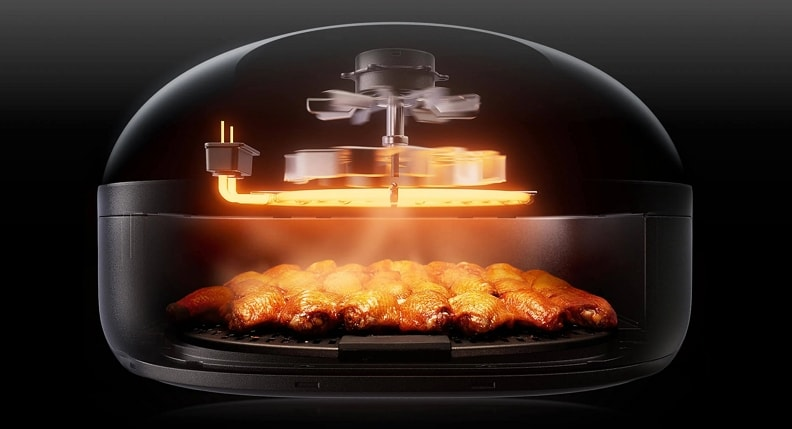
Getting that Perfect Crust with 220V IR Emitters
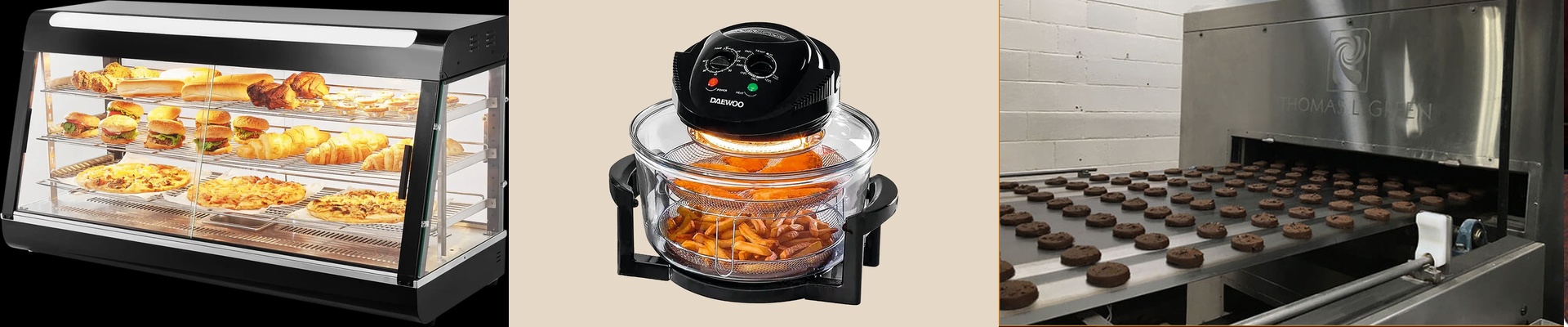
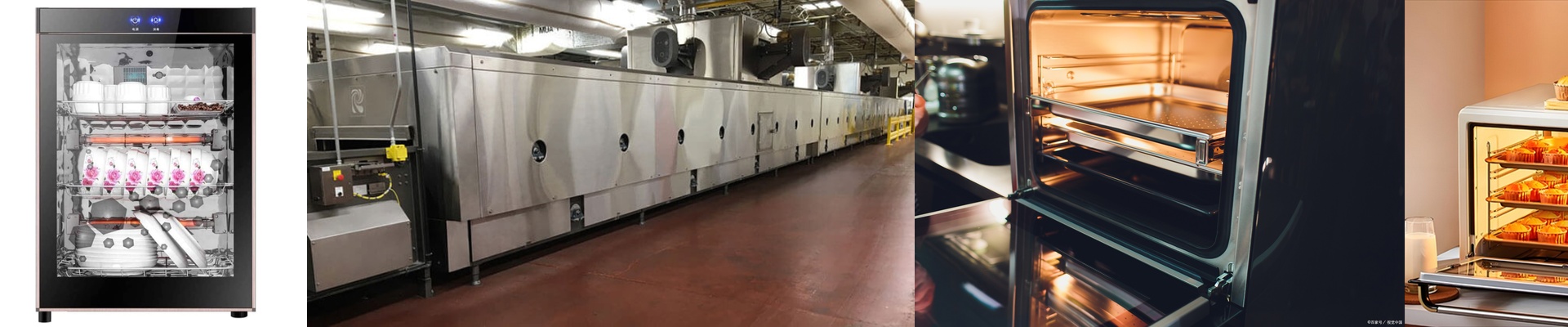
If you’ve ever tried to nail that perfect caramelization, you know it’s a race against time. You want that rich, brown crust, but you don’t want to dry out the inside of your food. To get it right, you don’t just need heat—you need speed. That’s why we use 220V infrared (IR) emitters in our convection ovens. They’re a world away from those old-school resistive elements that take forever to warm up.
Control in a Heartbeat
Standard convection ovens rely on moving air, which is honestly pretty sluggish. IR emitters are different. They shoot energy straight onto the surface of the food. Because they run at 220V, these lamps hit their peak temperature in seconds. It lets you trigger the Maillard reaction—that magic chemical process that gives you a savory, browned crust—without overcooking the middle. If your PID controller is dialed in, you can just flick the heat on and off in quick bursts to keep the temperature exactly where it needs to be.
The Gear
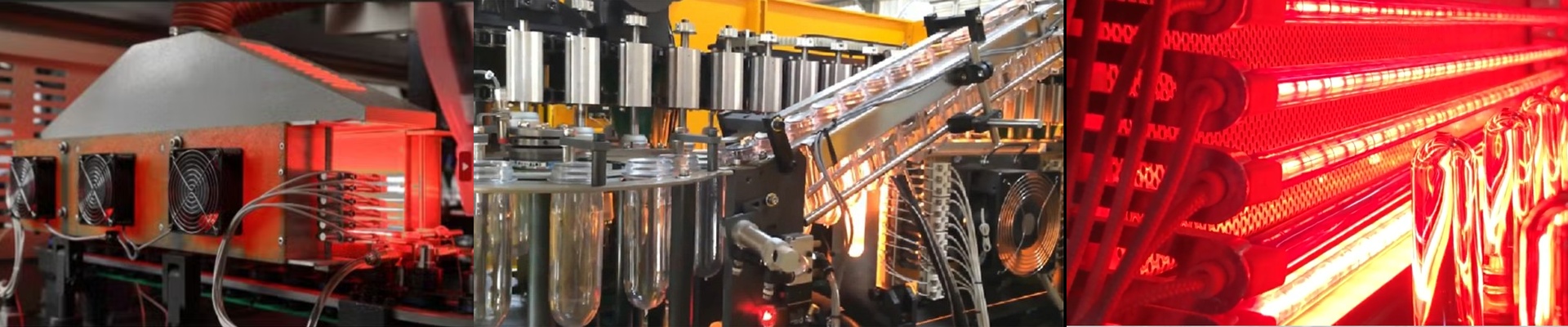
We build these using high-purity quartz glass and tungsten filaments. Since 220V is the standard for most commercial kitchens, you can usually just swap them into your existing setup without a headache. The real win here is the heat density. You’re packing a massive amount of energy into a tiny space. And the response time? It’s basically instant. You don’t have to deal with that annoying “thermal lag” you get with heavy metal heating tubes. You turn it on, and it’s hot. Period.
The Trade-offs (Because nothing is perfect)
Here’s the thing: all that intense heat puts a lot of stress on your hardware. If you use cheap wiring or have poor ventilation, you’re going to fry your socket connectors. It happens. To stop your filaments from burning out early, make sure your cooling fans are actually beefy enough to handle the heat building up around the lamp housing. Placement matters too. If you put the lamps too close, you’ll scorch the top before the heat even touches the center. Too far? You lose that “snap” that makes IR so great. It’s all about finding that sweet spot.