How we cut pizza bake times from 5 minutes to 90 seconds
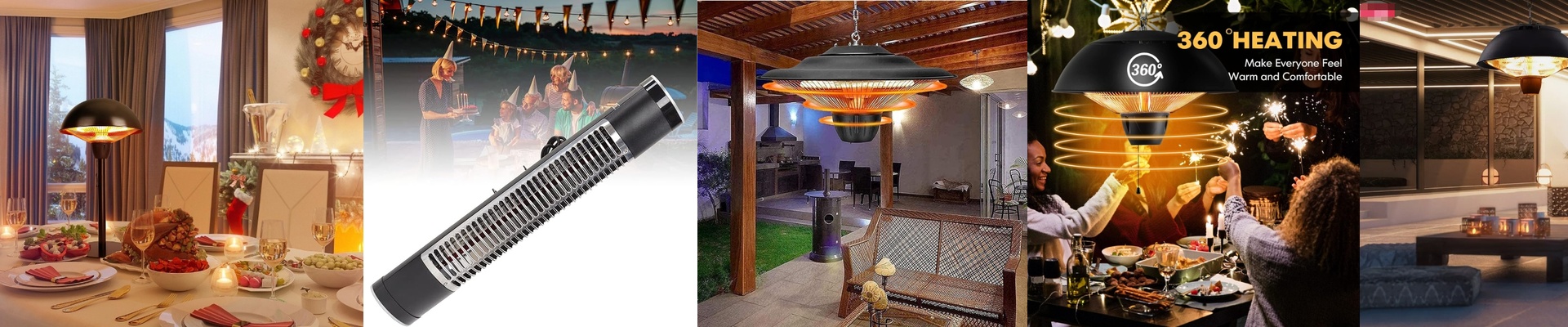
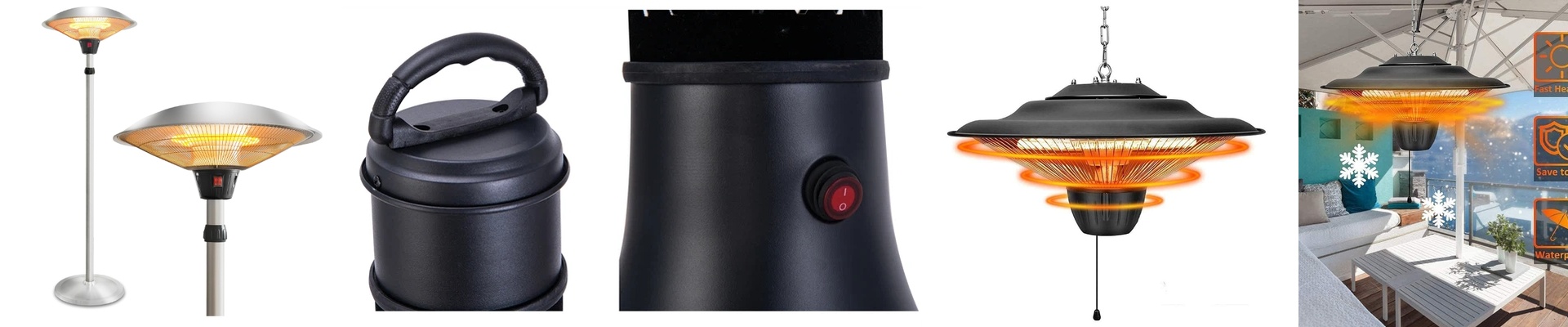
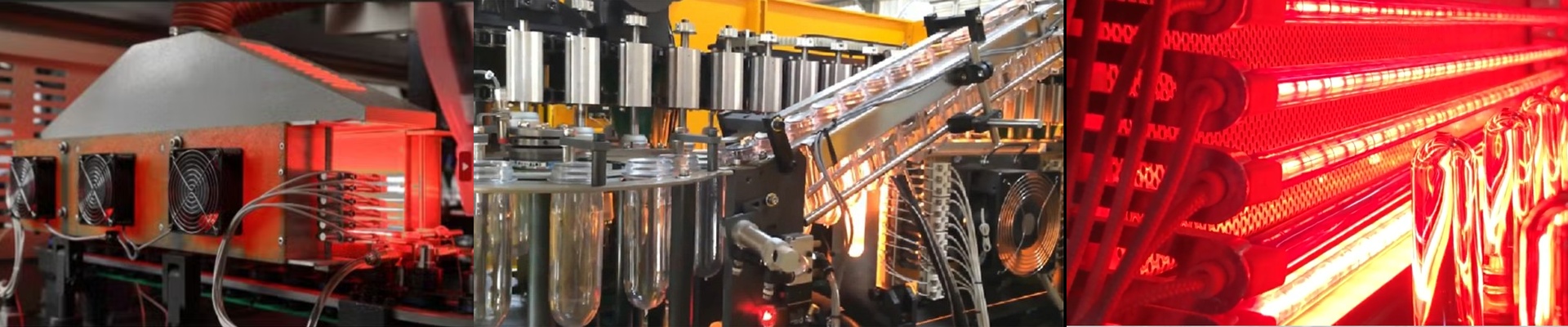
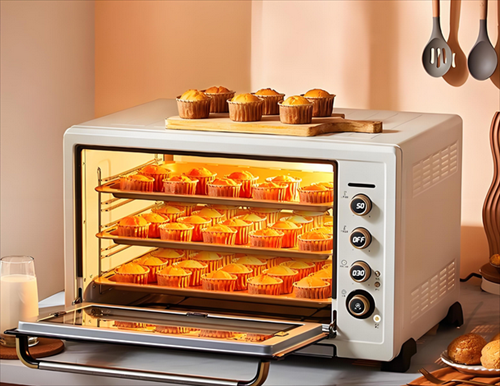
Most convection ovens just blow hot air around. It works, sure, but air is honestly a pretty lazy way to move heat. If you want to move faster, you have to stop relying on the air and start hitting the dough directly. That’s where short-wave infrared (IR) heaters come in. By adding these to the mix, we can slash your bake time from 300 seconds down to just 90. Why this actually works Think of it this way: convection handles the ambient heat so the middle of the pizza actually cooks, while the IR lamps blast the top and bottom. It’s the best of both worlds. You don’t end up with that dreaded “soggy middle” you get when you try to rush a bake. Instead, you get an instant sear on the crust and cheese that melts perfectly in a fraction of the time. The gear you’ll need We aren’t talking about the heating elements in your kitchen at home. These are high-wattage quartz-glass tubes, specifically coated to make sure the food absorbs the heat efficiently. But here’s the catch: you can’t just plug them in and hope for the best. You need a precision PID controller. IR lamps heat up almost instantly. If your controller is sluggish, you’ll have burnt pepperoni and raw dough before you even realize what happened. The real-world trade-offs Now, it’s not all magic. There are a few things you’ll need to deal with on the shop floor. First, your power bill and your electrical panel are going to feel the hit. These lamps pull a lot of juice, so make sure your wiring can handle the peak load. Then there’s the heat. Because the energy density is so much higher, the oven shell gets way hotter. If your cooling fans aren’t up to the task, you might warp the chassis or keep tripping your thermal cut-offs. It’s a bit of a balancing act. You get three times the throughput, but you’ll need a beefier power supply and some serious ventilation to keep things running smooth.