
Speeding Up Your Bake: Why Infrared Heat is a Lifesaver
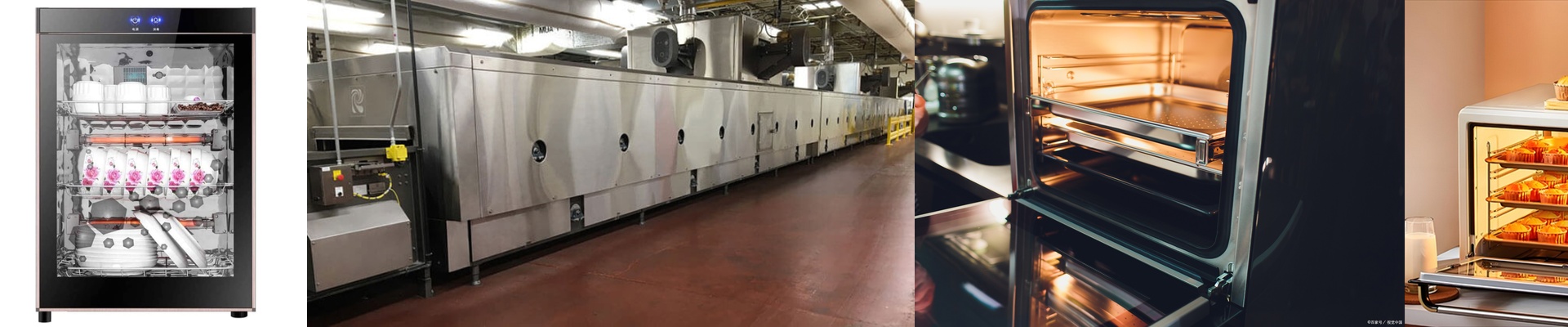
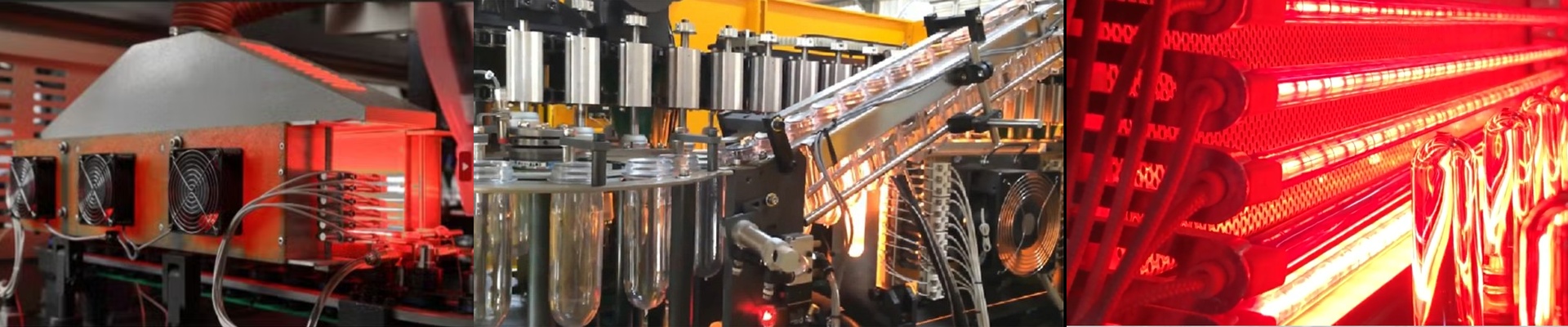
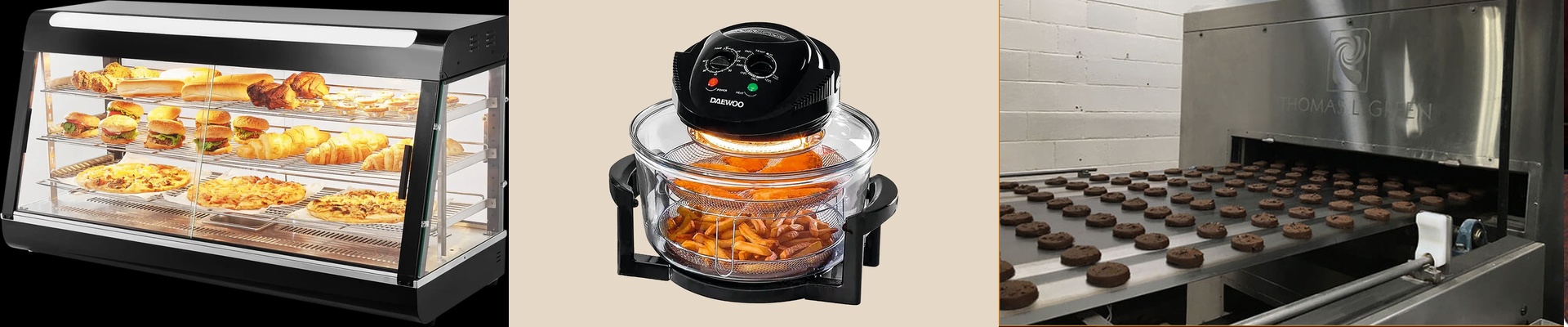
Nothing kills a production schedule faster than an oven that takes forever to get up to speed. It’s frustrating. You’ve got a conveyor belt ready to move, but your primary heating system just can’t keep up. That’s where infrared (IR) lamps come in. Instead of wasting time heating up all the air in the oven, these lamps shoot energy straight into the product. It’s a direct hit. This means you aren’t sitting around waiting for the air to warm up before the baking actually starts. The secret to that perfect crust We use short-wave or medium-wave IR because it digs deep into the dough or pastry way faster than traditional hot air ever could. The result? You get a better “spring” and a crust that actually looks and tastes right. And if you’re running a high-volume line, this is the key. You can actually crank up the belt speed without worrying that the middle of your product is still raw. Gear that doesn’t break your heart We make these lamps out of high-purity quartz glass. Why? Because rapid heating and cooling can shatter cheap glass. We also stick with R7s or SK15 connectors. I’ve been in enough plants to know that things break at the worst possible time. If a tube pops mid-shift, your maintenance guy can just pull it out and snap in a new one. No rewiring, no headache, no downtime. Now, a quick heads-up on power. Higher wattage gives you more punch, but it pulls more juice. Just make sure your control panel can handle the total amperage when every single lamp is firing at once. You don’t want to trip a breaker in the middle of a rush. The catch (because there’s always one) IR heat is powerful. Like, really powerful. If you mount the lamps too close or leave them on full blast for too long, you’ll end up with a charred top and a gooey center. It’s a delicate balance. You have to play around with the IR intensity and your airflow to make sure you don’t get any nasty hotspots. Get that balance right, and your throughput will thank you.