Stop Waiting on Your Oven to Heat Up
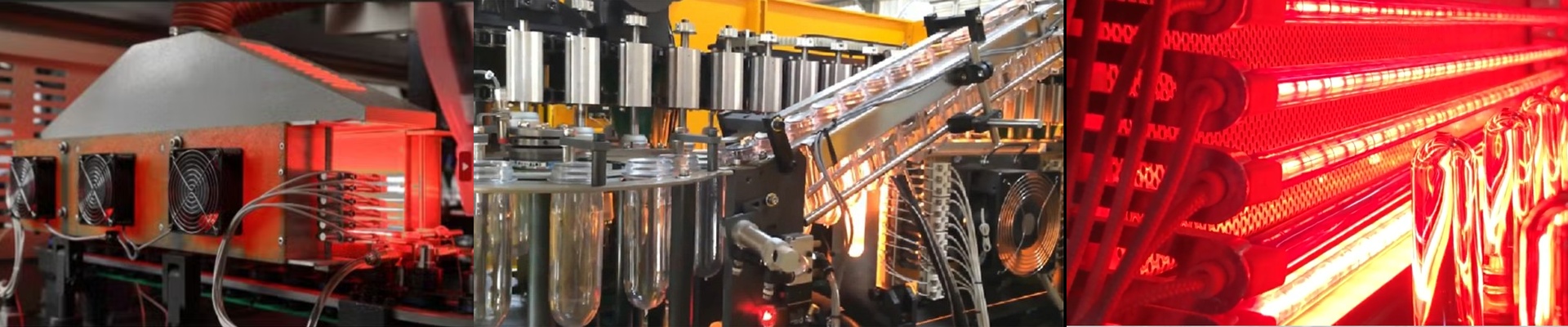
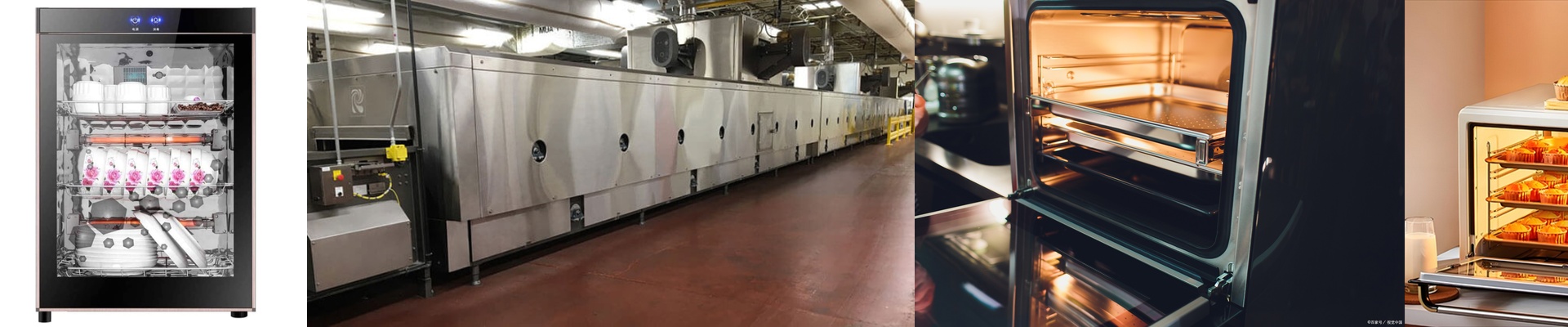
If you’ve ever run a commercial bakery, you know the frustration of the “warm-up wait.” Standard convection heating is fine, but it’s slow. It creates a bottleneck that kills your rhythm and keeps your dough sitting around longer than it should. That’s why we use shortwave infrared (IR) bulbs as a helping hand. Think of it this way: traditional elements waste time heating up the air first. IR lamps skip that step. They beam energy directly into the oven walls and onto the product. It’s a much more direct route to getting the heat where it actually needs to be. Getting up to speed, fast We use bulbs designed for high heat density—quartz envelopes with tungsten filaments. In plain English? They hit your target temperature way faster. You’ll notice the difference most when you open the oven door. Usually, you lose a massive chunk of heat every time that door swings open. But with IR, the recovery time is nearly instant. You get more loaves through the door every hour, and you aren’t standing around staring at a thermometer. The nitty-gritty on the hardware Most of our setups run on halogen-filled quartz tubes. The halogen keeps the filament from wearing out too quickly, so you aren’t climbing a ladder to swap bulbs every other week. We usually stick with R7s or SK15 connectors because they just stay put. One thing to watch out for: your power supply. You’ll want to match the voltage and wattage to your current control panel. Sure, a higher wattage bulb will slash your preheat time, but it pulls more current. If you’re replacing an old unit, just double-check that your wiring can handle the peak load. You don’t want to fry your contacts. A few things to keep in mind Now, IR heating is fast, but it’s directional. It’s like a flashlight—it hits one spot harder than others. If you just throw one bulb in a huge deck oven, you’re going to end up with “hot spots” that scorch your crust while the other side stays pale. You have to be smart about where you place them to keep things even. Also, be careful with the glass. Quartz is sensitive. If you spray water or cleaning chemicals onto a hot bulb, it’ll crack instantly. Just wait for the system to cool down completely before you give the glass a wipe. Keep them clean, and the heat flows much better.