Dealing with Thermal Drift in Industrial IR Systems
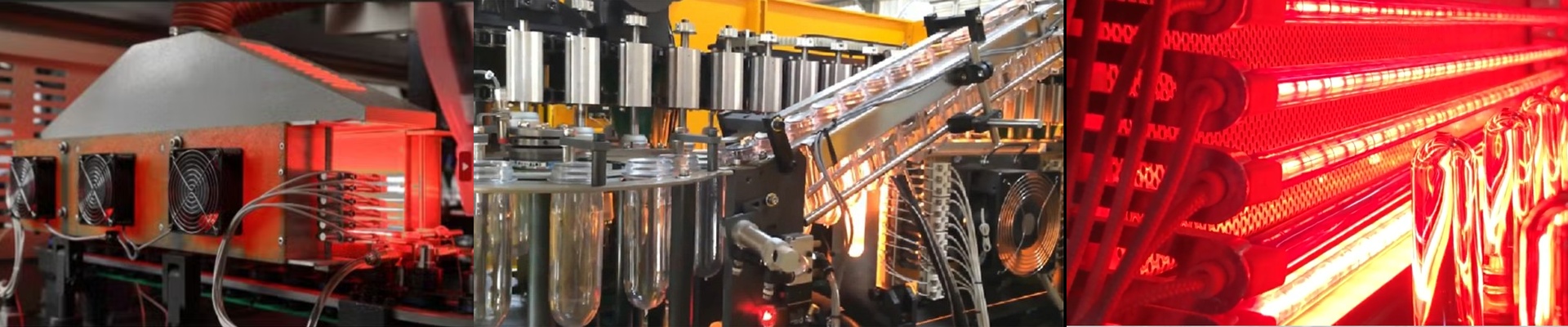
Temperature swings are a nightmare for precision. Think about your shop floor. In the dead of winter, it’s freezing. In the summer, it’s a sauna. When the air around your equipment shifts, your oven’s internal temperature follows suit. I see this all the time with curing and blowing lines. A tiny 2-degree slip—something you can’t even feel on your skin—is enough to trash an entire batch of product. The problem with standard PID controllers? They’re slow. They lag. By the time they realize the temperature has dropped, the damage is already done. That’s why we use infrared temperature control with real-time compensation. Instead of waiting for the air to warm up, the system looks at the actual surface of the workpiece. It sees the gap between where you want to be and where you actually are, and the IR emitters kick in instantly. It keeps the heat steady, no matter what’s happening with the weather outside. But you can’t just throw power at the problem. There’s a bit of a balancing act with wattage and voltage. If you go too heavy on the power density, you’ll end up with hot spots that ruin the material. Go too light, and the system just can’t fight off a cold draft fast enough. The trick is to match your coil’s wattage to the actual mass of what you’re heating. And a quick heads-up on your hardware: rapid switching is brutal on your gear. If you’re using standard contactors, they’re going to wear out fast. Stick with solid-state relays (SSRs). They handle the constant clicking and switching without falling apart. Here is the catch, though. Precision isn’t free. Because the system is constantly tweaking the power to stay perfect, your energy draw is going to jump around. It’s not a smooth line; it’s erratic. Make sure your electrical panel has enough breathing room. You don’t want to be tripping breakers in the middle of a shift. When you’re wiring this up, build it for the peak load, not the average. It’s a small detail, but it saves you a massive headache later.