
Why Your Oven Isn’t Listening to You (And How to Fix It)
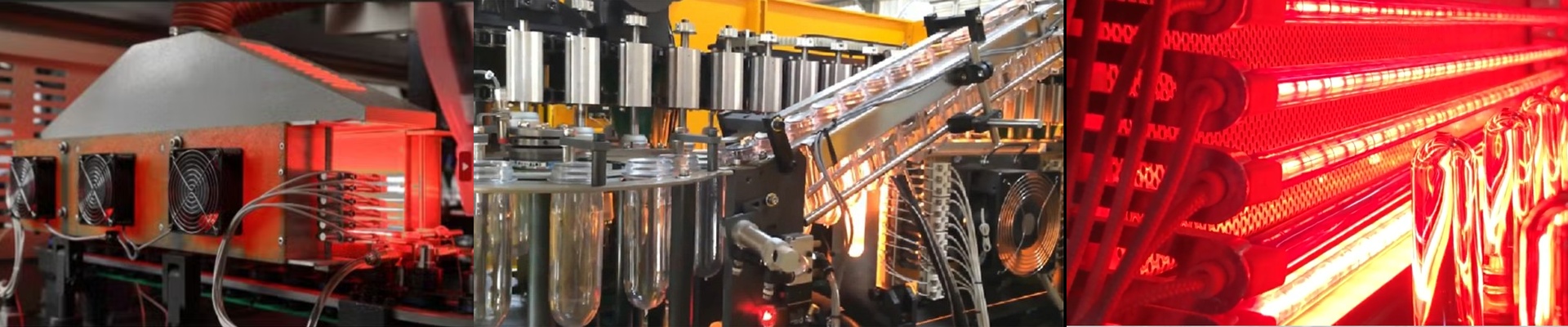
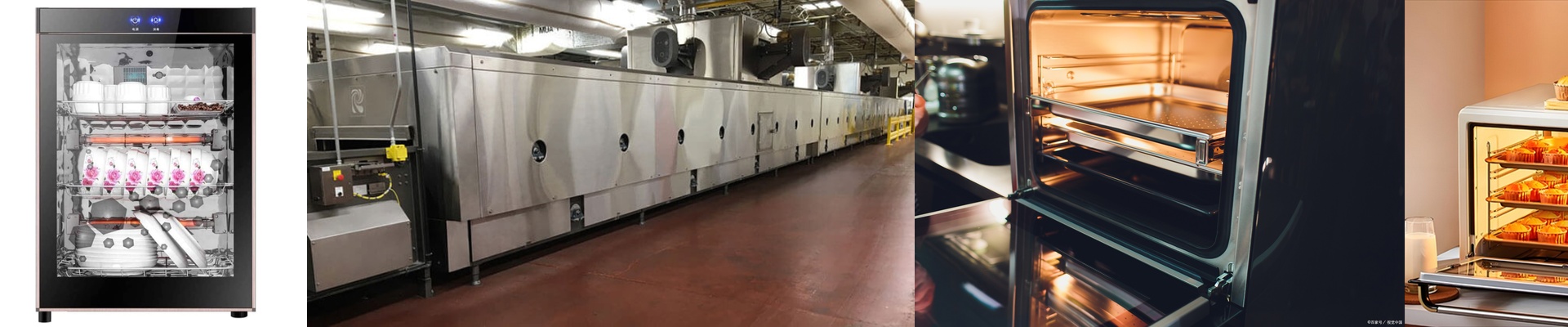
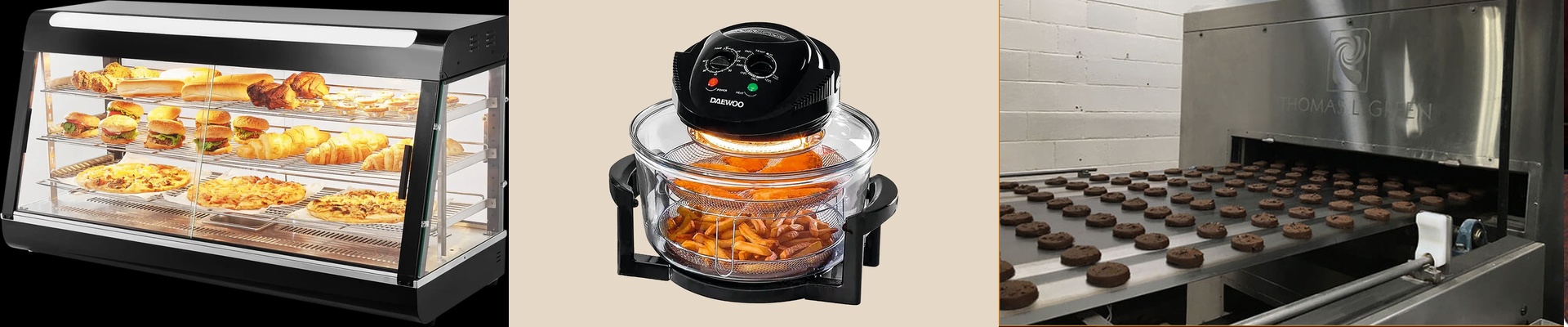
If you’ve ever pulled a tray of bread out of the oven only to find the crust is scorched while the inside is still doughy, you know the frustration. You set the temperature, you trust the controller, but the oven has a mind of its own. Here’s the problem: standard heating elements are stubborn. Even after the power cuts, those thick coils stay glowing hot for a long time. It’s like trying to stop a freight train—you hit the brakes, but you still slide right past your stop. In the baking world, we call that overshoot, and it’s the fastest way to ruin a batch. Enter infrared lamps. Instead of relying on hot air to slowly drift around, these lamps use radiation. It’s more like sunlight hitting your skin on a summer day—the heat is there the instant the light hits you. The real magic here is how fast they react. We’re talking milliseconds. When your controller tells the system to stop heating, the heat actually stops. No lingering glow, no accidental burning. This lets you pulse the power with incredible precision, hitting your target temperature and staying there. It just feels… tighter. More controlled. Now, you can’t just slap these in and walk away. There are a few things to get right. These lamps use high-purity quartz and tungsten filaments to pack a massive amount of heat into a small space. Because they’re so intense, you have to be careful about how you mount them. If the quartz envelope takes a hit, it’s game over. And please, don’t cheap out on the reflectors. You want them polished to a mirror finish (95% reflectivity or better). Otherwise, you’re just heating up the metal frame of your oven instead of the bread, which is a waste of electricity and a headache for you. Switching to IR lamps basically turns a sluggish oven into a precision instrument. You can go from a searing blast of heat to a gentle hold almost instantly. One last tip: don’t use mechanical contactors to switch these lamps. The rapid clicking will chew through them in no time. Stick with high-speed solid-state relays (SSRs). They can handle the constant flickering of the power without breaking a sweat, meaning you spend more time baking and less time replacing parts.