Why a Quick Response Actually Saves You Money on Your Power Bill
Here is something I see all the time: people think that if they want a better steam oven, they just need to crank up the wattage. But raw power isn’t the secret sauce here. The real trick is how fast the oven reacts. Think of it as the gap between the sensor saying “stop” and the heat actually stopping. In a lot of ovens, that gap is way too wide.
The Problem with “Thermal Lag”
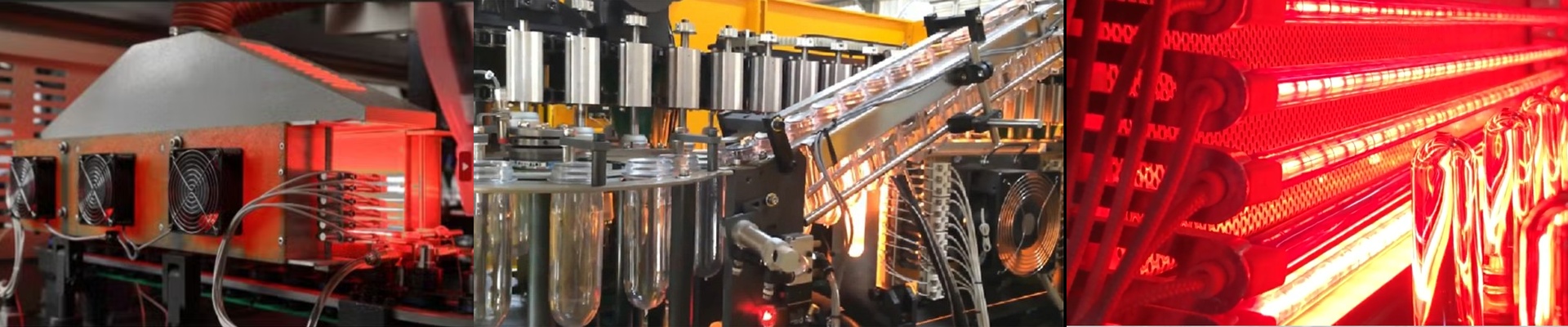
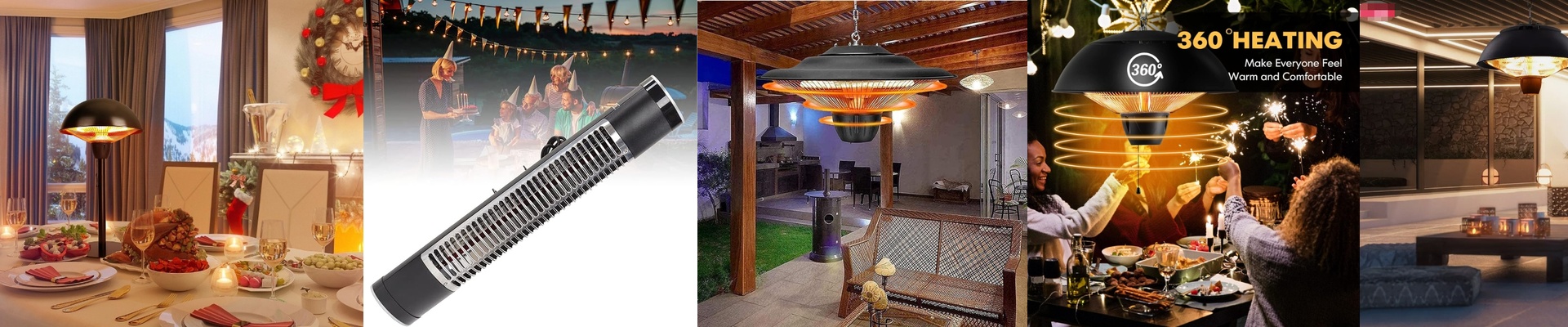
Most standard heating elements are bulky. They take a while to get hot, but more importantly, they take forever to cool down. Imagine your oven hits the perfect temperature. The power cuts off, but the heating element is still glowing red hot. It keeps pumping heat into the oven for several seconds after it was supposed to stop. It’s like trying to stop a car by hitting the brakes, but the car keeps rolling another twenty feet. You’re wasting electricity on heat you don’t even want. We use halogen quartz lamps to fix this. Because the tungsten filament is so light, it hits peak temperature in a blink. And the second the power cuts?**The heat stops.**No wasted energy, no “overshoot,” just precision.
Picking the Right Replacement
If you’re looking for a replacement lamp, don’t just look at the wattage number on the box. That’s a rookie mistake. Check the quartz grade and make sure the connector is a perfect fit. If an R7s or SK15 socket is a bit loose, it creates resistance. That resistance turns into heat right at the contact point, and before you know it, you’re melting your wiring harness. Not a great look. Also, keep an eye on the glass quality. Switching a lamp on and off rapidly puts a ton of stress on the tube. Cheap glass will just crack under that pressure. We stick with high-purity quartz so the tube doesn’t warp or snap when things get intense.
One Thing to Watch Out For
There is a catch. Fast-response lamps pack a massive punch in a small area. The space right around the lamp gets incredibly hot. Because of that, you’ve got to make sure your oven’s ventilation and shielding are up to the task. If you try to squeeze a high-output lamp into a chassis that was built for a low-wattage glow bar, you’re asking for trouble. You could end up scorching the interior of your oven or frying your sensors. Just make sure the hardware matches the heat.