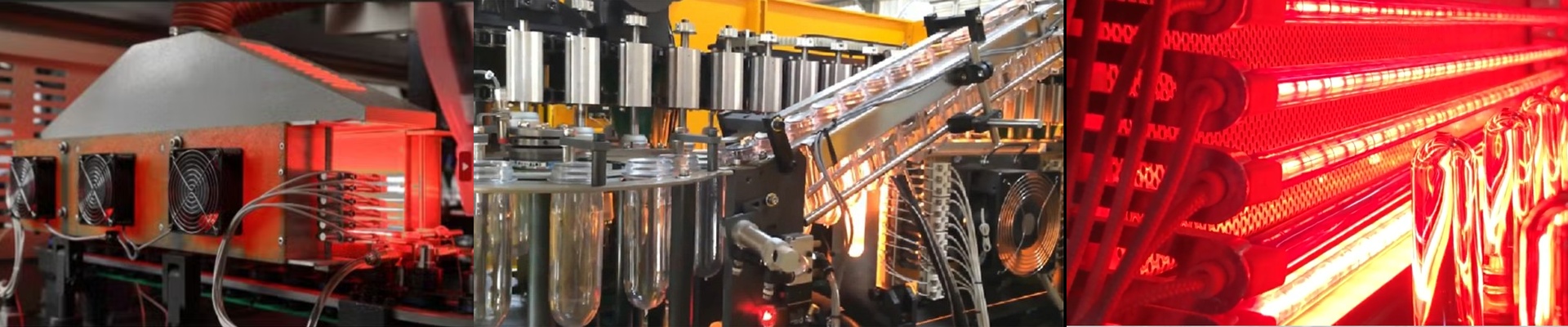


Getting Your Sidel Matrix Heating Just Right
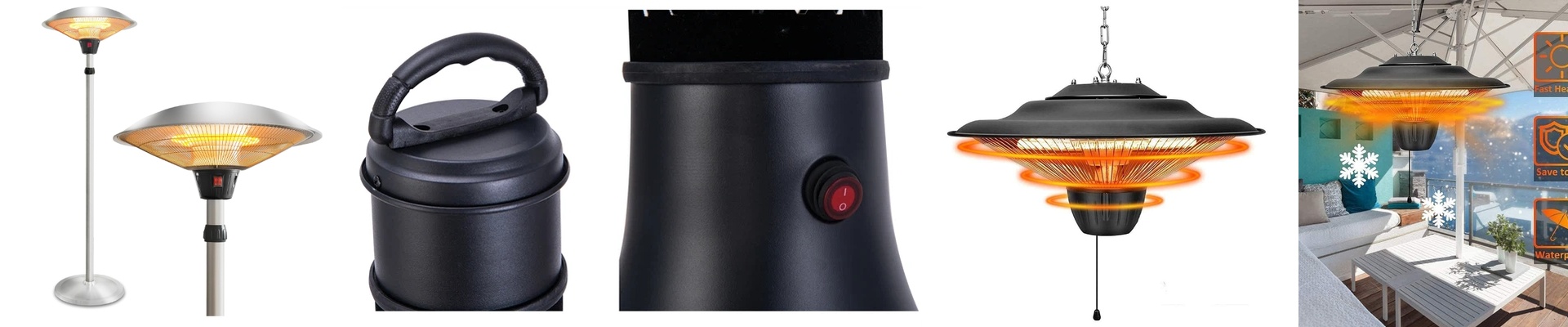
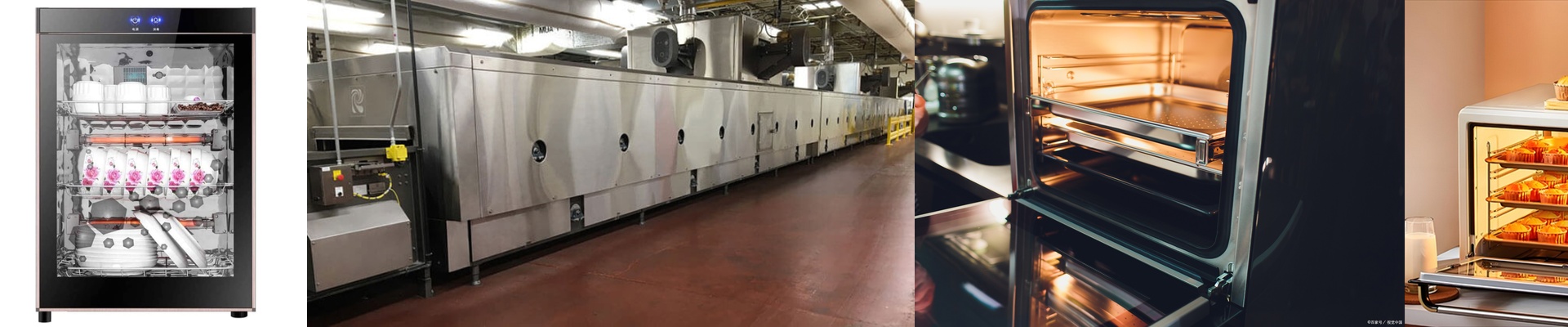
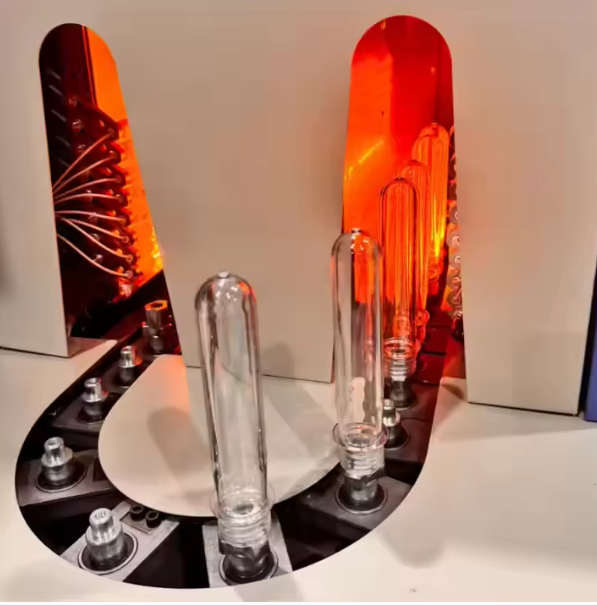
When you’re swapping out lamps in a Sidel Matrix or Sacmi SBF 24, “close enough” usually isn’t. You don’t want specs that are just similar to the OEM; you want them to be a mirror image. We spend a lot of time obsessing over the wattage-to-length ratio. Why? Because if the heat flux isn’t hitting that PET preform with the exact same intensity as the original, you’re going to have a bad day. The headache of “almost right” Here’s the thing: if your voltage or wattage is off by even 5%, the plastic doesn’t soften the way it should. We build our filaments to match the original electrical resistance perfectly. If you use generic replacements, you often end up with “cold spots” or, even worse, burnt plastic. Plus, if the voltage drop is off, your PLC starts fighting a losing battle to hit the setpoint. That’s how you end up with bottles that have inconsistent wall thickness. Not a great look. It’s all in the glass We use high-purity quartz because these things take a beating with rapid heating and cooling. But the real magic is in the coating. By tweaking the emissivity of the surface, we control whether the energy is short-wave or medium-wave. It’s the difference between scorching the outside of the preform and actually getting the heat to penetrate deep into the plastic. And don’t worry about the install. We use standard drop-in connectors, so you can just wire them up and get moving without having to rip apart your housing. A quick reality check These lamps put out a massive amount of heat to keep your line moving fast. But there’s a catch. If you’re pushing these tubes to their max wattage, your oven’s cooling blowers are going to be working overtime. If your vents are clogged with dust or grime, that ambient heat will kill the lamp’s lifespan—no matter how good the quartz is. We build these to survive 24/7 production cycles. Just make sure your cooling system is actually doing its job.