
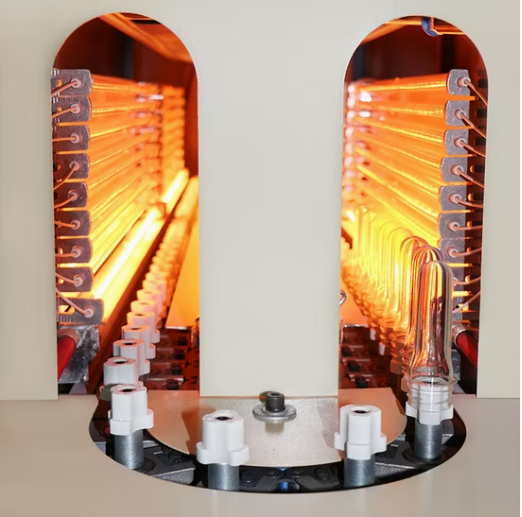
Getting Your SACMI Rotary Lines Up to Temp—Fast
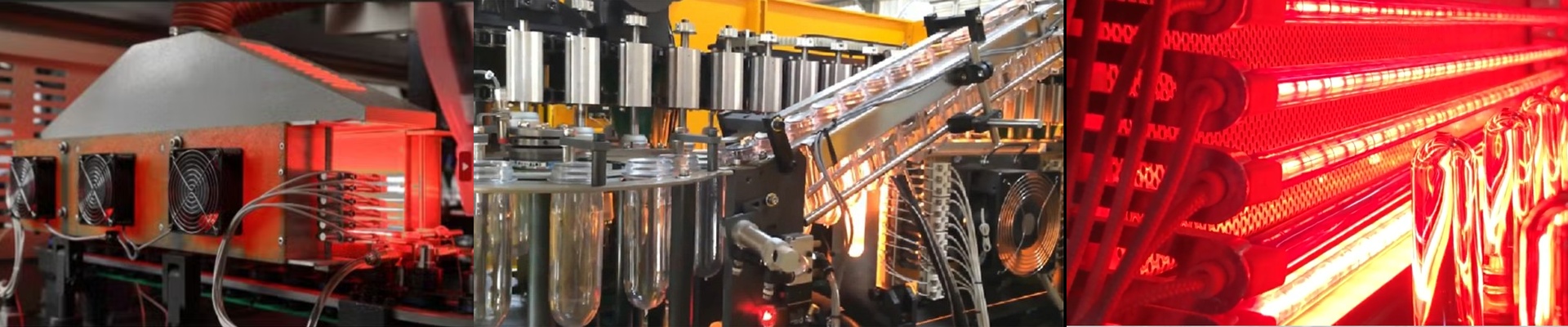
When you’re running high-speed PET production, you don’t have seconds to waste. You have milliseconds. For those of us working with SIG Blomax 4/6/8 or SACMI rotary lines, the heating lamp isn’t just some bulb. It’s the heart of the process. If it doesn’t hit the right temperature instantly, you’re in trouble. That’s why we focused on cutting out the lag between hitting “on” and getting full heat. Why speed actually matters Ever deal with those annoying “cold spots” in a preform? They’re a nightmare. They lead to uneven walls or that weird, pearlescent shimmer in the finished bottle that makes the whole batch look cheap. Most of the time, that happens because the lamp takes too long to ramp up. We fixed that by mixing a specific tungsten-halogen blend and using quartz envelopes that don’t hold onto the cold. The result? The lamp hits its target temperature almost immediately. Plug and play (for real) We didn’t want you to have to rewire your whole setup. These are drop-in replacements. We matched the original OEM footprints and electrical loads exactly. Whether you’re on a 230V or 400V setup, it just works. Plus, we centered the filament perfectly. This means the heat hits the preform evenly across the whole surface, no guesswork involved. And let’s talk about the vibration. Rotary machines shake. A lot. Cheap terminals or loose connections will burn out in a few weeks under that kind of stress. To stop the arcing, we used heavy-duty connectors and reinforced end-caps. They lock into the socket and stay put, even when you’re pushing maximum RPMs. A few things to keep in mind Here’s the trade-off: when you push for faster startups and higher wattage to speed up your cycles, things get hot. Really hot. You’ve got to make sure your oven’s ventilation and cooling blowers are actually clean. If the airflow is blocked, that heat soaks back into the lamp housing and kills the quartz tube way faster than it should. One last tip? Keep your reflectors polished. You want that IR energy hitting the plastic, not heating up your machine frame.