
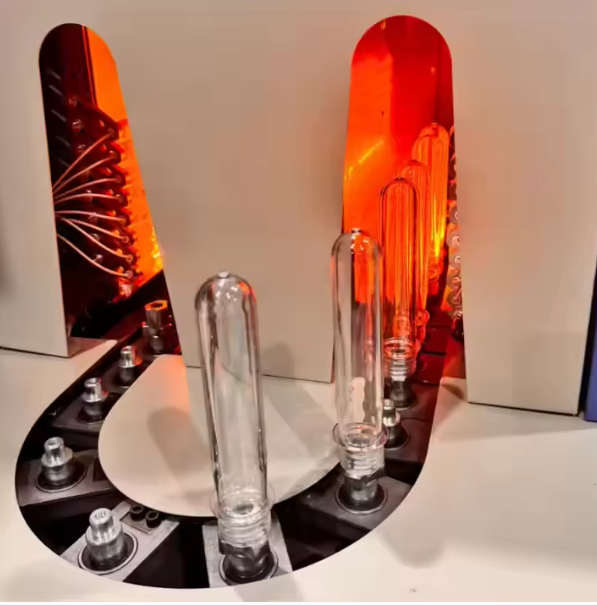
Getting Your Sidel Matrix Heat Just Right
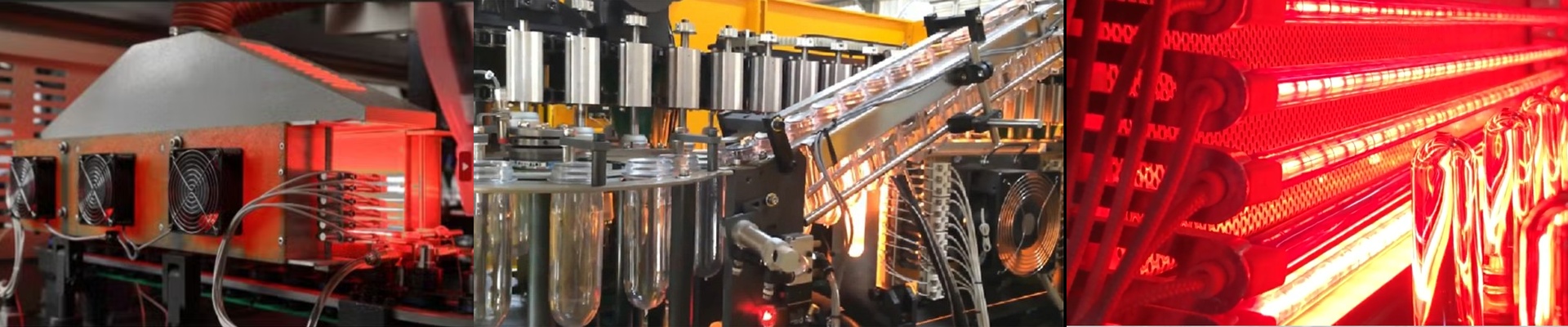
Here is the problem with swapping out IR lamps in a Sidel Matrix blower: if the temperature curve shifts even a tiny bit, you’re in trouble. When the heat density is off, the PET preform doesn’t heat up evenly. That’s how you end up with weird wall thickness or those annoying pearlescent streaks in your bottles. It’s a headache you just don’t need. Matching the original, exactly. We don’t just look at the wattage and call it a day. That’s too simplistic. We dig into the voltage and the actual length of the filament to make sure it mirrors the OEM footprint. The Sidel Matrix is all about that specific shortwave radiation hitting the plastic. We calibrate our filaments so the light output is a mirror image of what you started with. The best part? You don’t have to spend hours rewriting your PLC settings or messing with heating zones. You just pop them in. The ramp-up time stays exactly where it should be. The guts of the lamp We use tungsten filaments wrapped in high-purity quartz. But the real secret is in the resistance of the wire. We make sure it’s consistent so you don’t get “hot spots” along the tube. If the filament diameter is steady, the heat spreads evenly across the whole preform. We also use a halogen cycle to keep the tungsten where it belongs—on the filament. This keeps the lamps from dimming out too early, so they actually last. Putting them to work These are true drop-in replacements. They fit your existing sockets, which means no rewiring the oven and no fancy modifications. But a quick heads-up: these high-wattage lamps put out some serious heat. If your reflectors are pitted or covered in grime, you’re wasting energy. The heat will just soak into the machine frame instead of hitting the bottle. Do yourself a favor—give those reflectors a good clean before you install the new lamps. You’ll actually see the difference in your production.