
Getting the Heat Right in Your PET Preforms
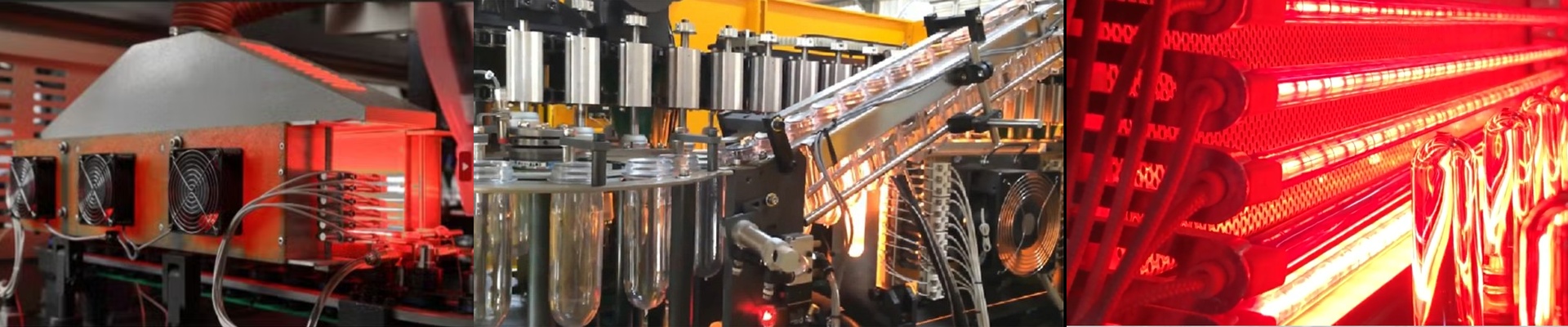
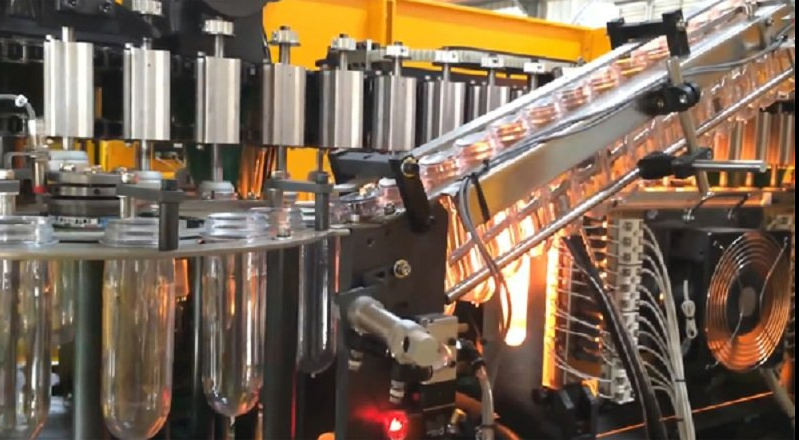
If you’re running high-speed lines—think the SIG Blomax 10 or Husky HyPET—you know the struggle. The biggest headache is usually the heat soak. When that infrared energy doesn’t actually hit the center of the preform wall, you end up with uneven stretching and those annoying thin spots in your bottles. We got tired of seeing that happen, so we built our replacement lamps to close that penetration gap. The secret is in the heat density. To get the heat deep into the plastic, we focused on the spectral output. These lamps run at high wattages and specific voltages to push out as much short-wave infrared as possible. It’s simple: more power density means the lamp hits its operating temperature faster. That cuts down your cycle time. You’re getting more BTUs per square inch of the quartz, which means your preform hits that glass transition temperature quickly—without scorching the outside of the plastic. Built for the grind. We use heavy-wall quartz because these tubes take a beating. They have to survive extreme thermal cycling without warping. The connectors are designed for a quick, drop-in replacement. Whether you’re using R7s or SK15 bases, we kept the tolerances tight. Why? Because in a high-voltage environment, a loose fit is a disaster. It leads to arcing and burnt-out sockets. We made sure they just fit. A quick reality check from the shop floor. Here is the thing: these lamps put out a massive amount of energy. Because they’re pushing so much heat into the preform, your oven’s cooling blowers have to be working perfectly. If your airflow is clogged or a fan is on its last legs, the quartz envelope will overheat. That’s the fastest way to kill a lamp. We built these for 24/7 production. No “cold spots” like you find with those generic replacements—just a consistent heat profile from one end of the tube to the other. Just tighten your contacts, double-check your airflow, and you’ll see the difference in your wall thickness immediately.