

Making One IR Lamp That Actually Works for Every PET Machine
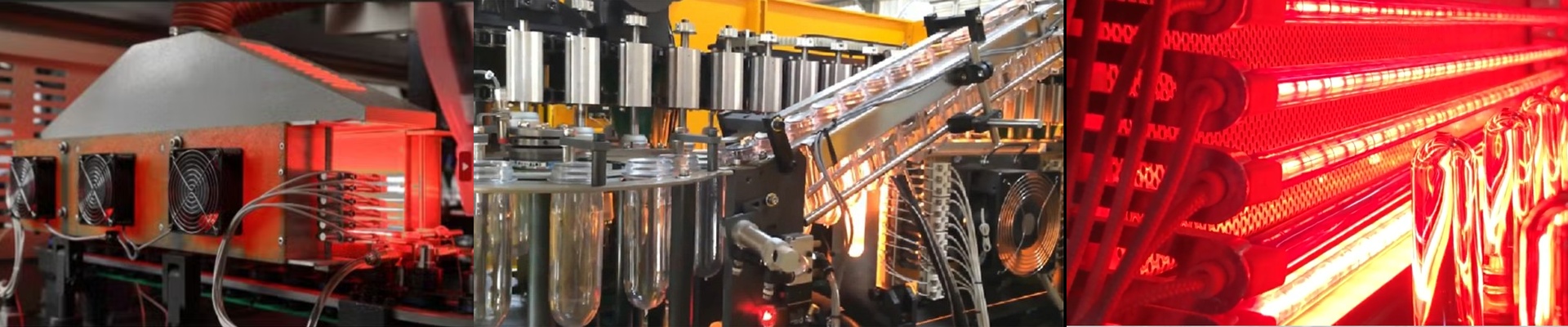
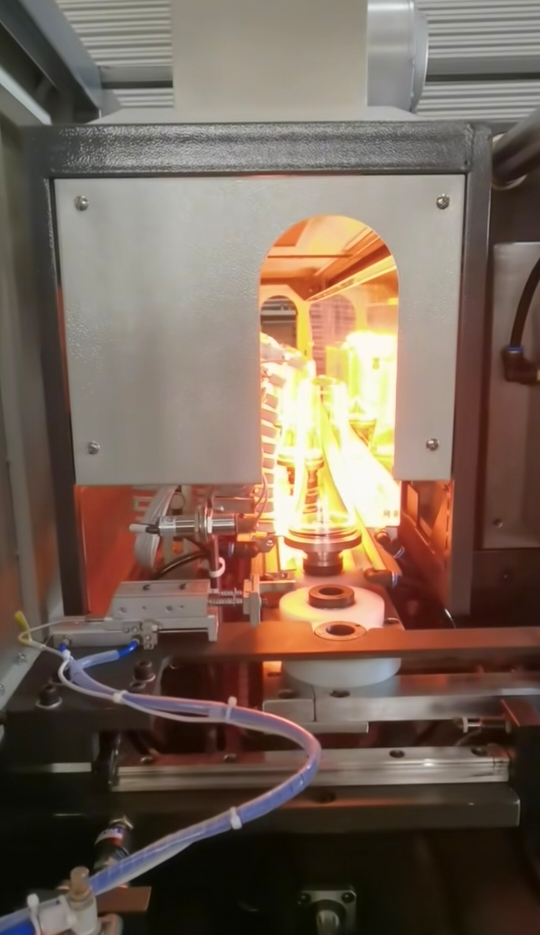
When we set out to build these infrared lamps, we had one goal: make them a “drop-in” fit. Whether you’re running Nissei, ASB, or any other big blow-molding platform, you shouldn’t have to fight with the hardware. The trick is getting the heat just right. You need the PET preforms soft enough to blow, but if you overdo it, you get scorching or crystallization. That’s a nightmare for quality control. So, we spent our time obsessing over the physical size and electrical tolerances to make sure these fit 95% of the machines out there.
Let’s talk power and heat
Most high-output machines follow a very specific voltage-wattage curve to keep the heat dense. We’ve got tubes for everything from 230V up to 400V. Now, if you’re using a high-wattage unit—like a 2500W lamp—you’re pushing a massive amount of energy into that preform in a matter of seconds. It’s intense. **One quick tip:**check your cooling fans. If your ventilation is sluggish, heat builds up around the lamp. That’s a shortcut to a shorter lifespan for your bulbs. Keep them cool, and they’ll last.
The nuts and bolts (literally)
We use high-purity quartz glass because the internal temperatures of a halogen cycle are brutal. Inside, the tungsten filament sits in a halogen gas mix. This stops the glass from turning black and keeps your light output steady for thousands of hours. As for the connections, we stick to R7s and Sk15 bases. Why? Because they’re the standard. A loose fit is your enemy here. If the lamp doesn’t seat firmly, you get an arc, and that burns out the contact point. To stop that from happening during those grueling, high-cycle production runs, we use heavy-duty electrodes. They just hold up better.
Getting it into production
These lamps use shortwave IR. It’s the fastest way to get heat to penetrate the PET wall. We also offer coated versions. These act like a mirror, reflecting the heat back toward the preform and away from your machine frame. It’s a win-win: your energy transfer is more efficient, and your chiller doesn’t have to work nearly as hard. The best part? You can swap these in right now. No need to open up your control cabinet or mess with the wiring. Just plug and play.