Stop Chasing Your Tail with SIPA Oven Temps
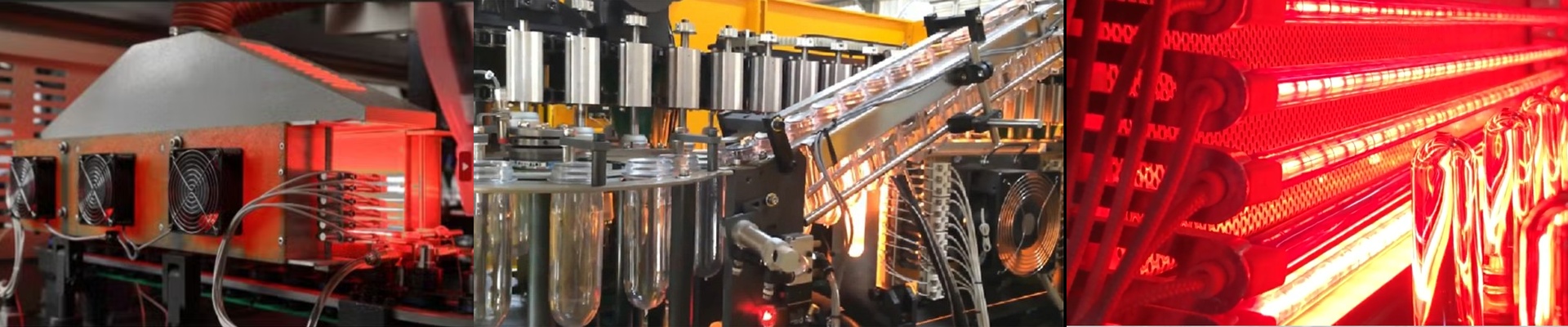
Ever feel like you’re fighting your SIPA rotary oven? You spend half your shift tweaking settings because one zone is screaming hot while the next one is barely lukewarm. It usually happens when people mix and match lamp brands or try to get away with “close enough” wattage. Trust me, “close enough” doesn’t work here. When your lamps aren’t a perfect match, your heating becomes a guessing game.
Why “Almost” Isn’t Good Enough
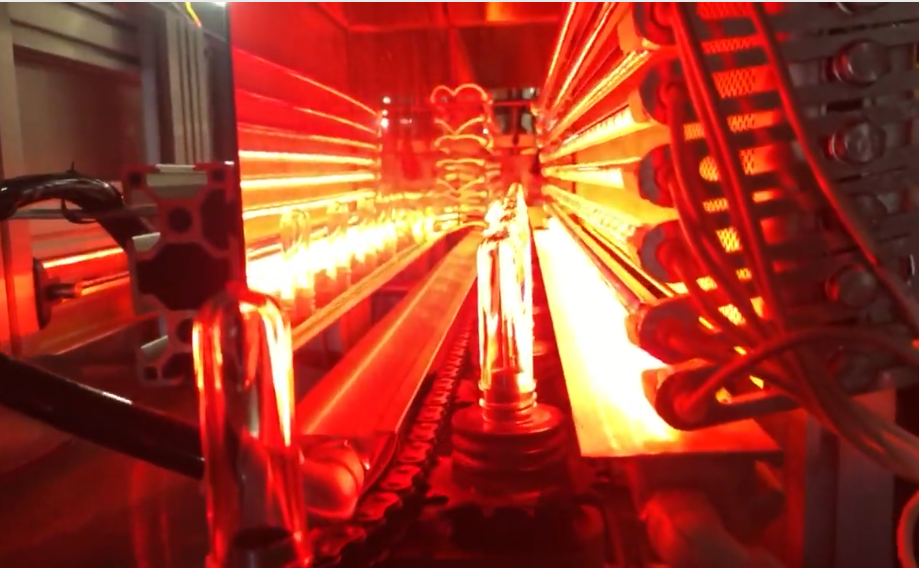
Here is the thing: if your wattage is off by even 5%, the infrared wavelength shifts. It sounds like a tiny detail, but it changes everything. We build our lamps to hit that 100% power match. Why? Because you need the heat density to be identical across the entire tunnel. If you’ve got inconsistent wattage, you get cold spots. And cold spots mean your PET bottles end up with uneven walls. That’s a headache nobody needs.
The Nitty-Gritty: Glass and Plugs
We use high-purity quartz because these lamps take a beating with rapid heating and cooling. We also obsess over the fit. Whether you’re using R7s or SK15 connectors, the lamp needs to seat firmly. If it’s loose, you get electrical resistance. That’s how you burn out your contact points, and that’s a quick way to cause unplanned downtime. Plus, we offer coated tubes. These are great because they push the energy into the PET material instead of just heating up the oven walls. It’s a simpler way to stop wasting electricity.
Making it Work on Your Floor
These are direct swaps for Husky and SIPA setups. You just pop them in. No need to mess with the reflectors or rewire anything. One quick tip: if you’re pushing the power to the max to speed up your cycles, keep an eye on your cooling blowers. Shortwave lamps get incredibly hot. If your airflow is choked or your filters are dusty, the housing will overheat and your filaments will pop way sooner than they should. Keep them clean, and they’ll last.