
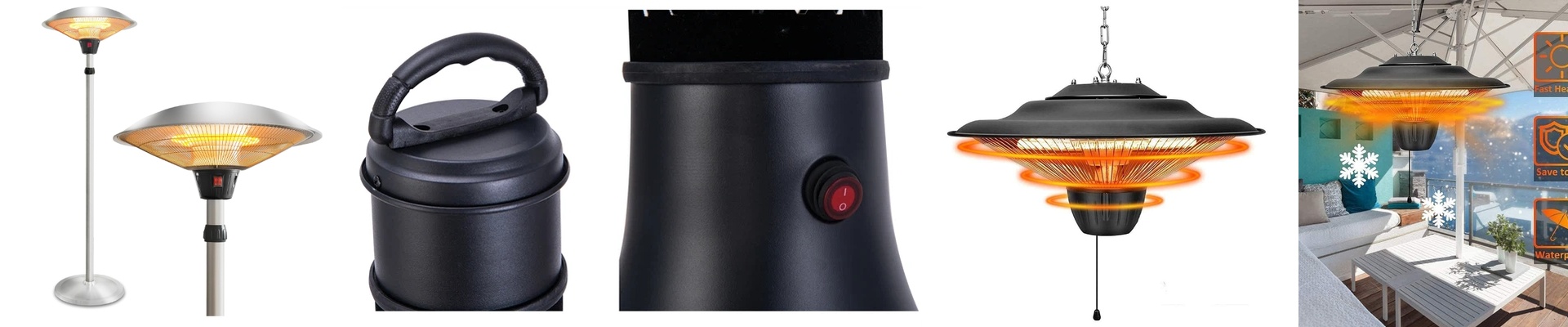

Step into a bathroom after a long day, and the air hits you. You flip on the infrared heater, expecting comfort right away—no shivering, no waiting around. That expectation isn’t handed to you; it’s earned. We put every carbon fiber outdoor heater through brutal hot-and-humid aging tests. Moisture and heat will find weak seams, brittle wiring, and output that drifts. If a unit makes it out of our chamber, it’s got a shot when the steam rolls in and the temperature starts swinging. What matters under the hood The core is a carbon fiber element, chosen for fast response and even radiant heat. It delivers infrared warmth that goes straight to people and surfaces, not the air, so you feel heat within seconds. We tune the output for steady coverage in typical outdoor and bath spaces, keeping glare low and color temperature stable. The design keeps the core hot while the housing stays cool enough to touch, and safety is built in: overheat cutoff and tip-over shutdown. Sealed construction supports higher IP ratings, so it’s suitable for damp locations when installed per the instructions. Why it holds up in humid spots Ordinary heaters in humid conditions can lose output, corrode terminals, or start making electrical noise. Our aging test forces those failures to show up early—on our bench, not on your ceiling. You get a heater that starts quickly every time, holds output through steamy cycles, and stays quiet enough that conversation isn’t a chore. Comfort comes without drafts, warm-up is fast, and replacements happen less often. Energy goes where it should: warming bodies, not fighting condensation. A few practical notes Radiant heat warms objects directly, so coverage depends on line of sight and mounting height. Put the heater where it can “see” the seating area, and keep obstructions out of the way. For wet areas, check the specific IP rating and follow the listed voltage and wiring requirements; a dedicated circuit is often the cleanest route. And remember, carbon fiber systems run hot at the element—maintain clearances, and never cover the heater.