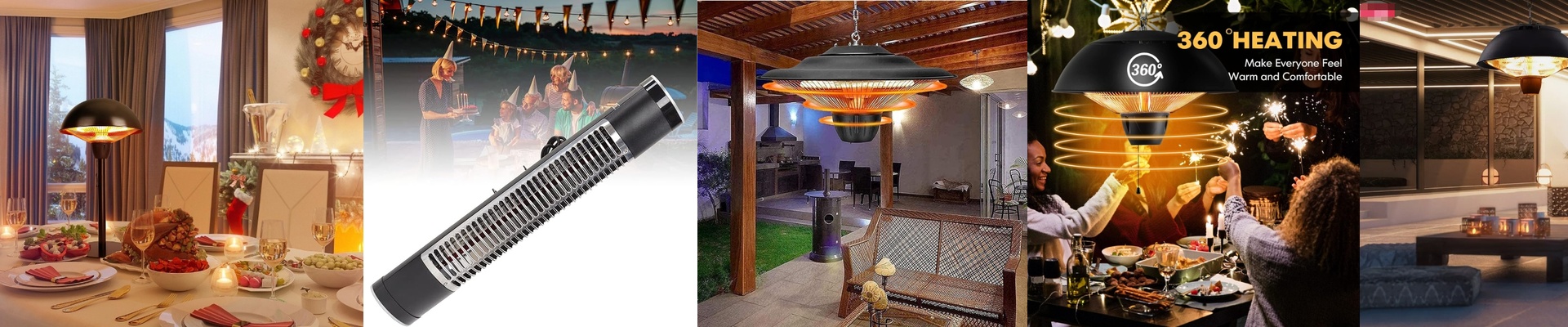
In an open-air restaurant, one cold gust can clear the patio faster than the menu changes. Guests keep coats buttoned, nurse one drink, and bail before dessert. And when the floor feels cold, even warm air doesn’t help—comfort disappears right through the soles of your shoes.
What matters, technically
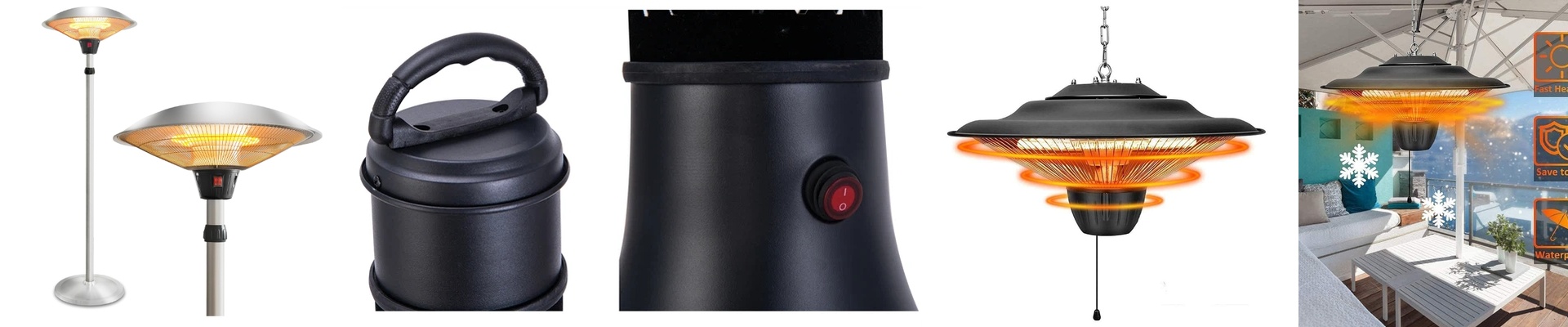
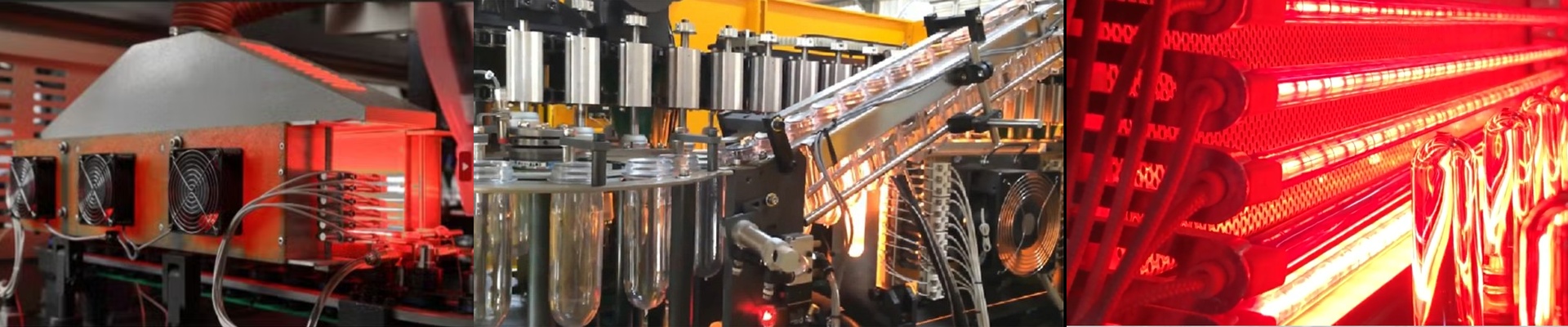
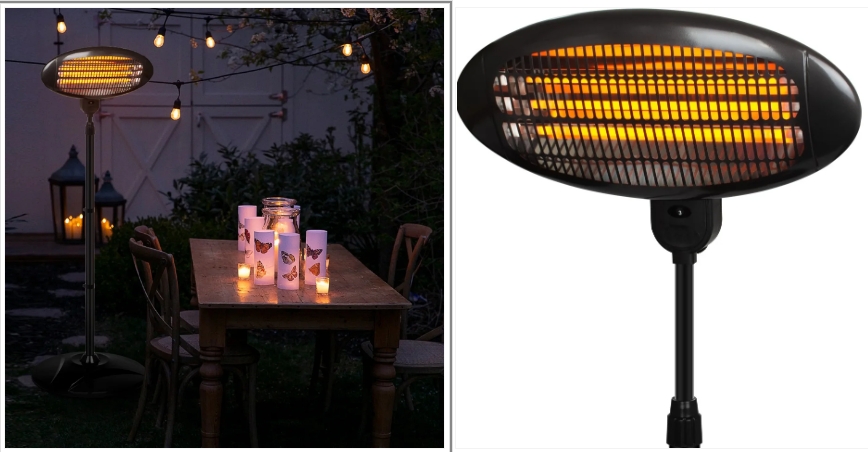
We built this foot warmer around infrared radiant heat. It warms people directly—especially feet—instead of chasing the whole volume of air. The core is a high-efficiency quartz tube, paired with a reflector that aims the heat downward so it lands where people actually feel it. Commercial units are typically 120V or 240V, pulling 1500–2000W, and they’re meant to be used hard: sturdy base, plus tip-over protection. Many models add an adjustable thermostat and a weather-resistant housing rated IP34 or IP44, so they can live year-round under a covered patio.
Why this works in practice
Infrared warmth changes guest behavior fast. Feet get cozy within seconds, coats come off, and you start seeing more appetizers, more drinks, more desserts. When people stay comfortable, tables turn over more cleanly—the same seating area picks up more covers per night. Because the heater warms people directly, it avoids the drafty up-and-down swings you get with forced-air heaters. The space stays quieter, and the comfort feels steadier. Energy use stays sensible, too: radiant heat concentrates where it’s needed, instead of pushing warmth out into the open sky.
The things you’ll want to get right
Plan for under-table clearance and keep spacing in mind so you don’t cook anything by accident. Foot warmers belong under fixed tables, not in high-traffic walkways. For reliable performance, plug into a dedicated circuit and use the supplied cord. If you hardwire it, follow local code and keep the controls accessible. Even with an IP rating, protect the unit from direct rain in very wet conditions. Set the thermostat once, then make small adjustments as needed—tiny changes can make a big difference in comfort and running cost.