
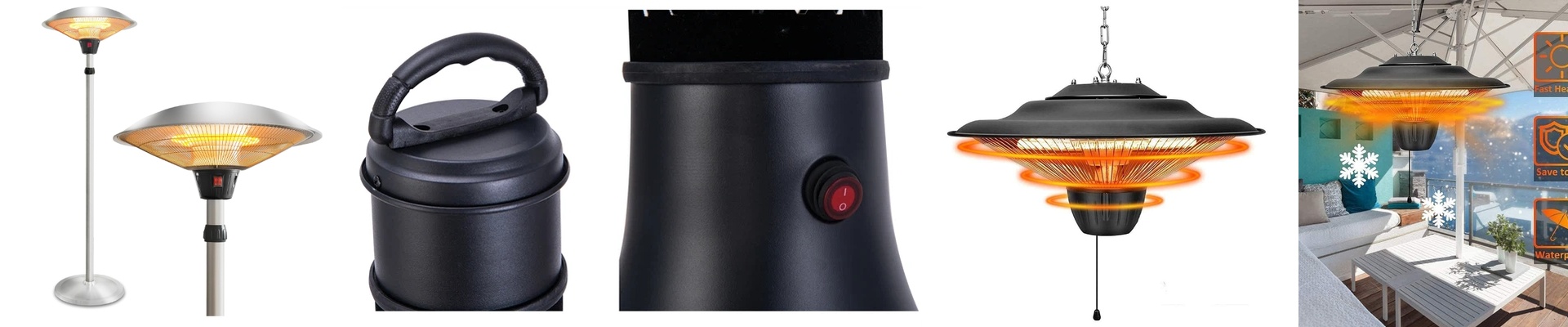

What This Heater Is Actually Doing (and Why It Feels So Effortless)
Here’s the thing: we built this infrared heater to be a straight-up heat source—direct, simple, and quiet. It runs on standard line voltage, so you getfast warmth without a complicated electrical setup. And the size? It’s intentionally compact. We shaped it to drop right into existing housings and fixtures, so you don’t have to redesign the whole space just to add serious heat. The quiet part matters more than you’d think. It’s not just about comfort—less vibration means your smart system’s sensors stay steady, so the control stays smooth instead of getting jumpy.
The Build: Quartz, Coating, and Connections That Actually Hold Up
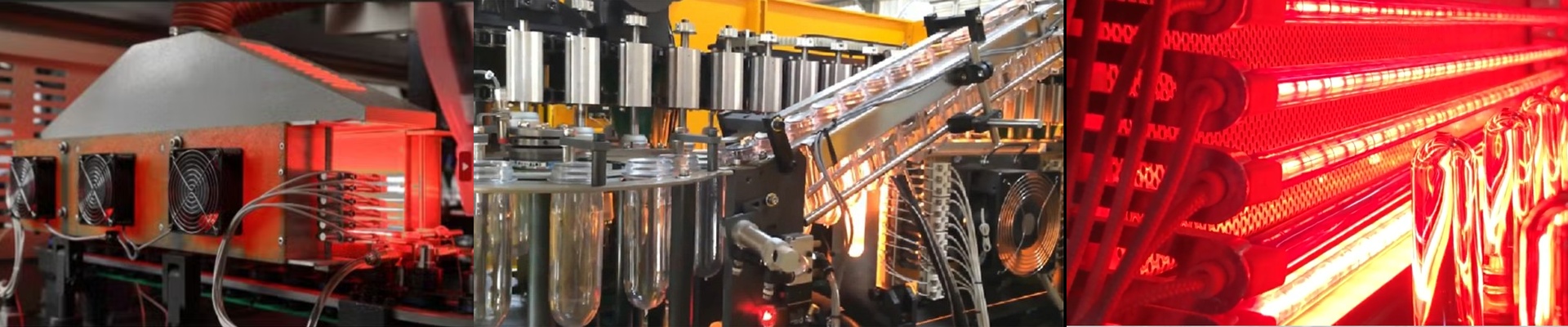
Infrared heating only works if the emitter is tough, so we went with aquartz envelope around a halogen element, tuned for consistent output. Quartz handles thermal shock well, so it keeps performing through thousands of on/off cycles. We also added a specialized outer coating to shape the light and spread the heat where you need it most—no wasted energy, just directed warmth. Then there’s the wiring. We spec’dhigh-temp connectorsthat can take repeated cycling without wimping out. They stay secure even as things expand and contract with heat, so you don’t get the arcing and dropouts that can wreck a smart automation routine.
How It Feels in a Smart Home: Instant, Clean, and In Control
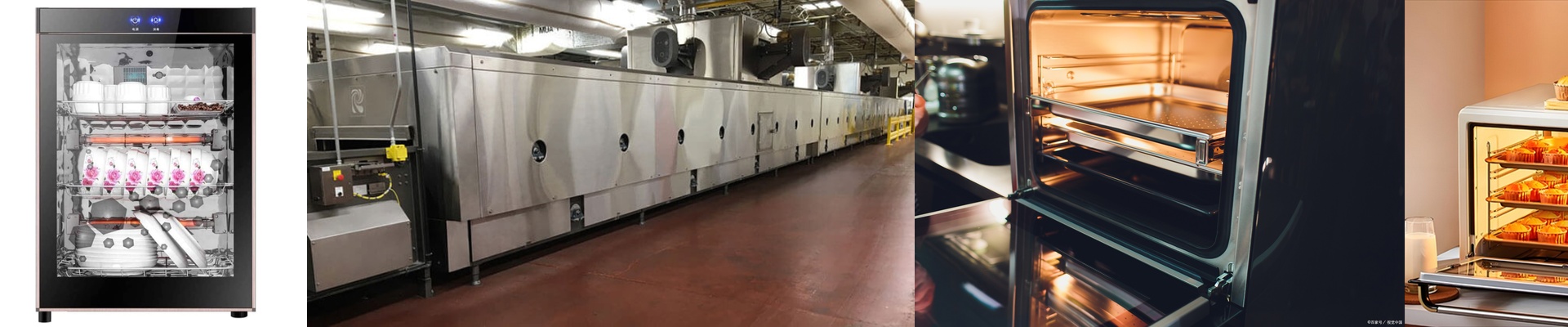
Pair it with a controller and you getone-touch activation from anywhere. The heater hits target temperature quickly, so you get that “winter to spring in seconds” feeling the moment you step into the room. And because it’s quiet, your space stays calm—no humming to compete with voice commands, and no noise messing with environmental sensors. Now, the reality check: this is a high-density heat source, so the enclosure around it needs proper airflow and heat shielding, especially if your smart node is nearby. Plan for that, and the whole setup becomes way more reliable. For anyone doing the install, it means commissioning is simpler, callbacks drop, and automation cycles run clean—over and over.
Getting It to Play Nice With Your Smart System
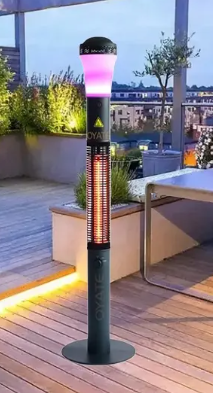
Integration is straightforward. Connect the heater to a smart relay or module, then set up scenes for comfort, energy savings, and occupancy. Because it responds fast, scenes fire off without lag. And the low-noise design keeps microphones and motion sensors happy—no false triggers from rattles or buzzing. We made sure it works with the common smart home protocols, so you don’t have to overthink the control side. The payoff is simple: instant on, steady setpoints, and dependable performance through daily use.
What to Watch For (So It Keeps Running Like It Should)
The heater’s immediate heat is a big plus—but it also means nearby materials need to handle thermal cycling. Use wiring rated for the job, and make sure your mounting surface can take the local temperature rise. In tight installations, coordinate with the system’s thermal protection to avoid overheating. And keep the heater’s line of sight clear: unobstructed infrared coverage and clean sensor range make everything more predictable. Plan a little. Then forget about it—because it just works.