Introduction
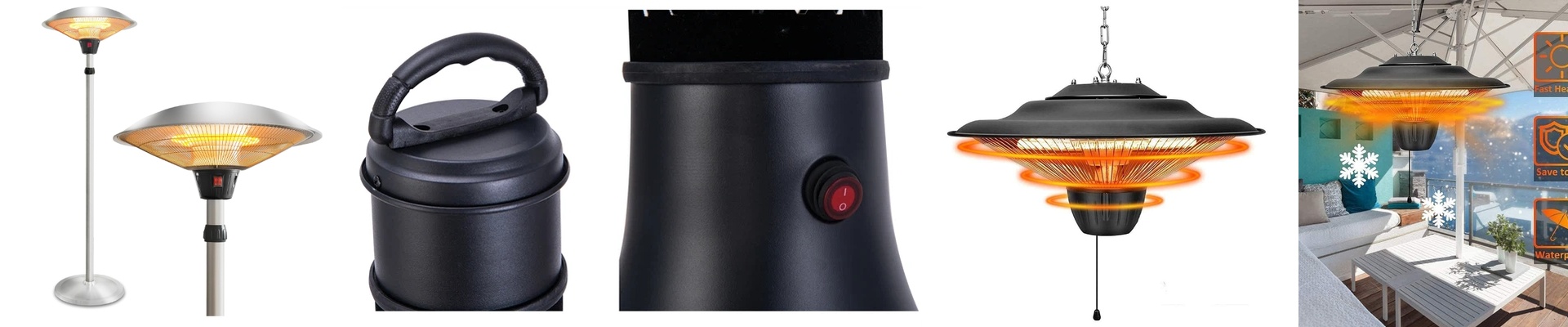
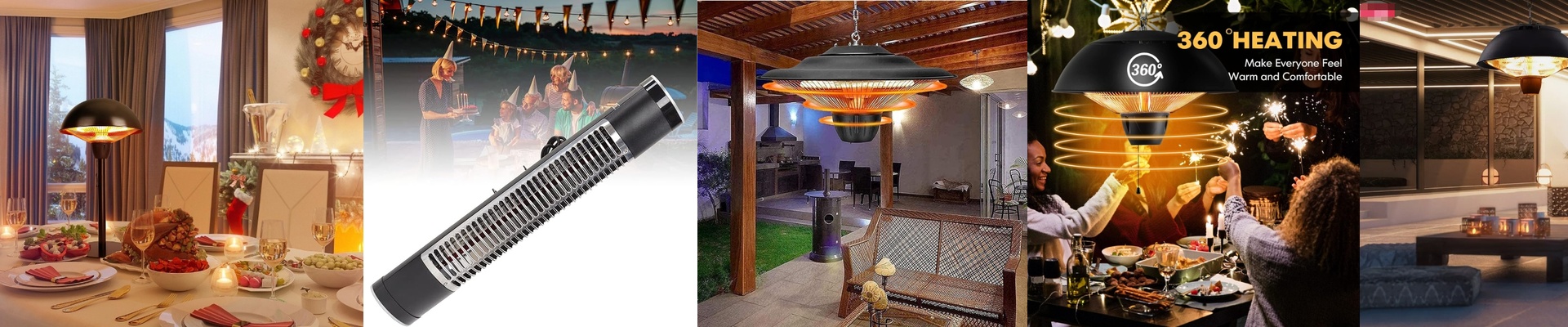
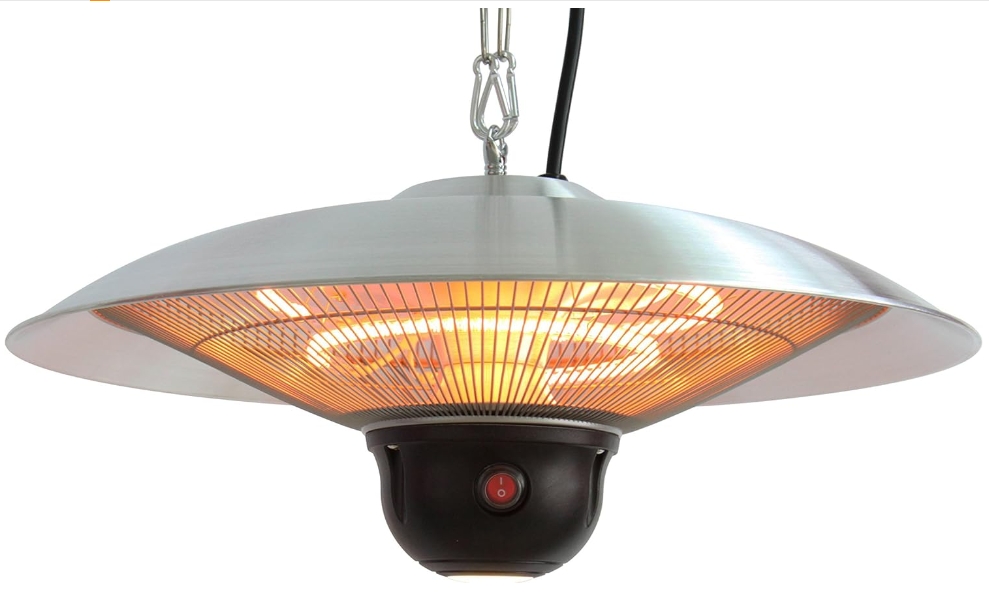
We built our Eco Mode infrared heaters with one place in mind: art galleries and museums. Plain and simple. Because the real job here is protecting what matters. You need warmth that reaches the room without touching the artwork. Standard forced-air heating just can’t do that. It stirs up air currents and humidity swings that wreck delicate materials. So we went another route: direct radiant heat. It warms people and objects directly, leaving the air calm and the artwork untouched.
Power, Voltage, and Output Control
With infrared, the trick is matching the heat to the space. That’s why our Eco Mode units run on standard voltage—no need to overhaul your building’s electrical system just to get started. We size the wattage so you get plenty of radiant warmth without pushing the room’s thermal load. And the “Eco” part? It’s not a slogan. It’s a smart control strategy that modulates output to hold your set temperature without hammering the heater on and off. That means less stress on the lamp, less energy use during quiet hours, and for you—stable temperatures with operating costs you can plan around.
Material & Design: Halogen Elements and R7s Connectors
We use halogen-filled quartz tubes because they deliver clean infrared and respond fast. The filament stays hot, and the halogen cycle keeps it steady, so the output stays consistent over the life of the lamp. And quartz handles thermal shock better than glass, so rapid cycling won’t burn it out early. For the connector, we chose the R7s because it’s practical in the real world. It gives you a secure, two-contact connection that handles high current and high heat without coming loose. It’s a drop-in fit for most gallery-ready fixtures, and it makes maintenance straightforward. When a lamp hits end-of-life, you swap it quickly and get back to work.
Application & Benefits: Zero-Damage Precision
In a gallery, the aim is localized warmth that leaves the collection completely alone. Infrared heats surfaces directly, so you can warm the viewing area without creating convection currents that carry dust or moisture. The payoff is a stable microclimate around each piece—less risk of cracking, warping, or pigment shift. There is one thing to keep in mind: line of sight. Objects in shadow get less radiant energy, so you’ll want to plan your layout around beam angles and obstructions. But when you spec it right, these heaters give you precise, controllable warmth that protects sensitive materials and keeps your operating expenses in line.