

Let’s cut to the chase.
We’re talking about a real engineering puzzle: how much juice does an eco-friendly infrared heater actually save compared to a standard electric oil heater, when all you care about is feeling warm? The answer comes down to how heat actually moves. Old-school oil heaters work by warming the air around them. That air moves slowly, and a lot of the heat gets lost before it ever reaches you. Infrared heaters—especially the halogen kind—work differently. They send out energy that warms people and objects directly. That one difference is where the savings come from.
Here’s what’s really happening under the hood.
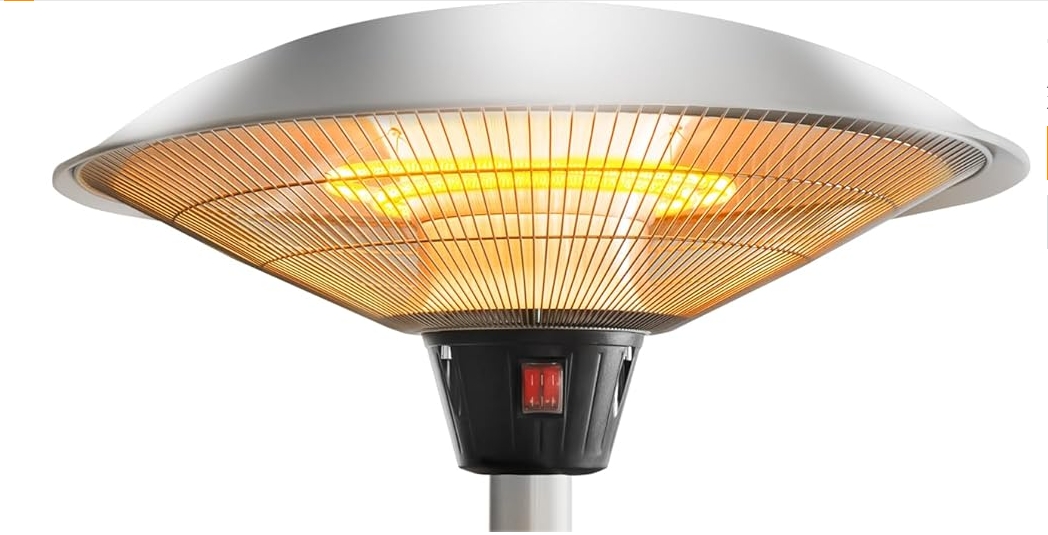
An infrared heater doesn’t waste time heating air. It sends out electromagnetic radiation, and that takes serious power. Take a typical halogen infrared unit. It’s built to run at a specific voltage and wattage, cranking out a focused, high-intensity beam. For example, a 2000W model on a standard outlet puts out a lot of heat right where you need it. Now, to get the same feeling of warmth from an electric oil heater, you often need a unit that pulls 2500W to 3000W. Why? Because a bunch of that energy gets used up heating the oil and the air around the unit, and then it just drifts away before it ever touches your skin. Infrared goes straight to the target. Less waste.
The guts of it: built to take the heat.
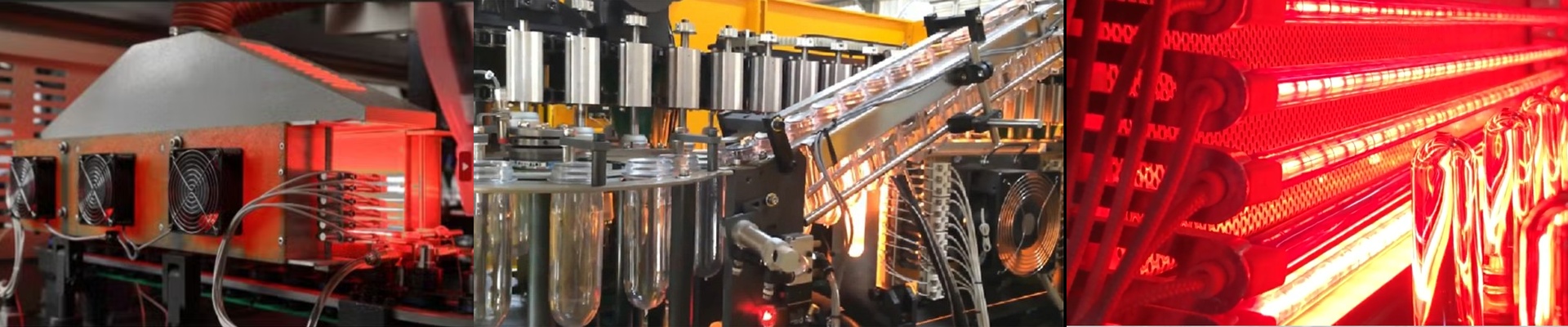
The heart of an infrared heater is the halogen lamp, sealed inside a tough quartz tube. Inside that tube, the halogen cycle lets the filament run at extreme temperatures without burning out quickly. That intense heat is what creates the powerful infrared radiation. The quartz tube is there to handle that kind of stress day after day. These things are built to last—we’re talking over 5,000 hours of run time. The connectors are industrial-grade too, made for quick, solid installation and dependable power. This isn’t a flimsy piece of gear meant for occasional use. It’s built to work hard, continuously.
The payoff: savings you can actually feel.
Picture this in a basement. To get the same level of comfort, an infrared heater can use 20–30% less electricity than a similar-sized oil heater. It makes sense when you think about it. No energy is wasted trying to heat every last cubic inch of air. The heat goes exactly where you need it. And that shows up on your energy bill. But there’s a catch. Infrared is directional. You have to aim it right. If someone or something is outside the direct beam, they won’t feel that same warmth.
Why this matters in the real world.
In a basement, that efficiency isn’t just nice to have—it’s key. Infrared heaters are all about spot heating. They warm people and objects directly, so you’re not burning kilowatts on empty space. If you’re an engineer specifying these units, the math is simple: lower wattage for the same comfort means lower electricity use. And honestly, the installation is easier too. No heavy oil to deal with. The units are lighter and simpler to mount. The trade-off is still there—infrared doesn’t warm the air. So if your basement is drafty, you’ll still need to manage the overall temperature. But if you want focused warmth where people actually are, infrared is the more direct, more economical way to go. It’s a practical upgrade for any place trying to cut energy use without making anyone sacrifice comfort.