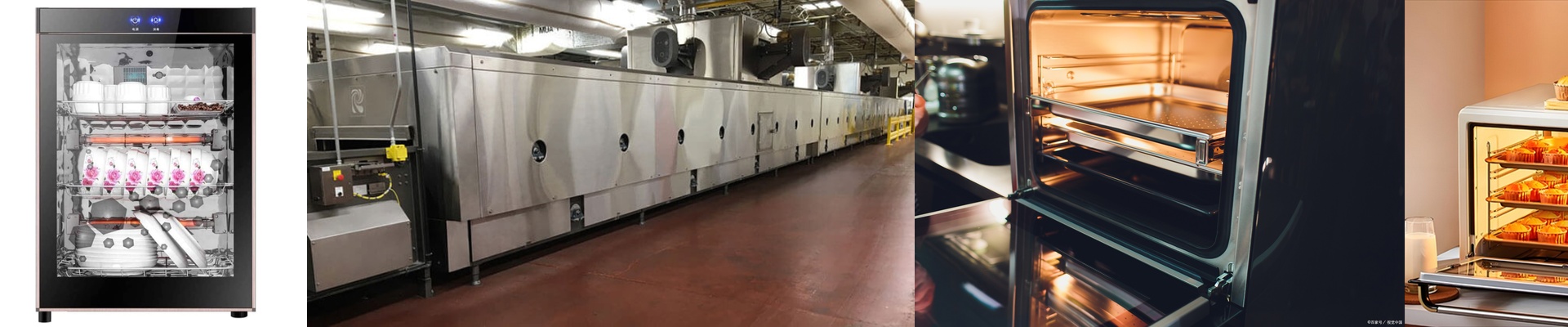
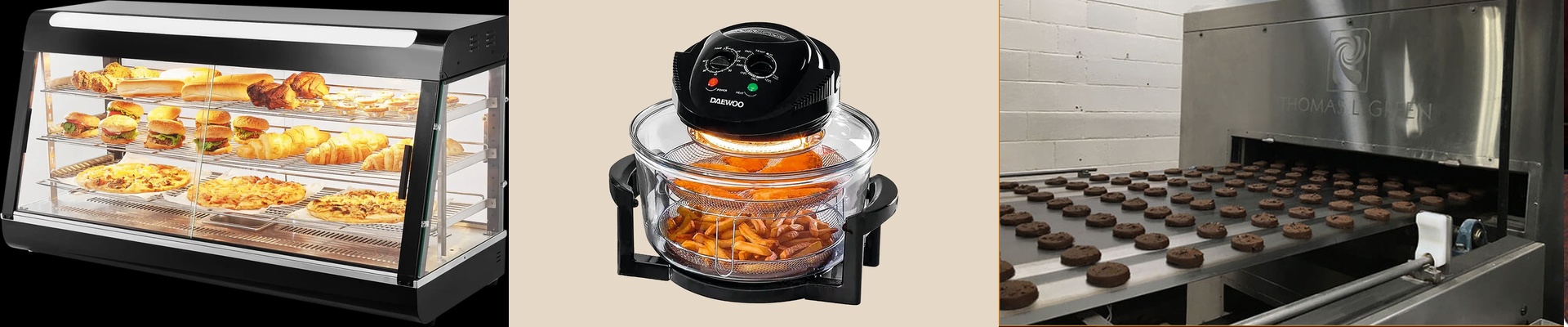
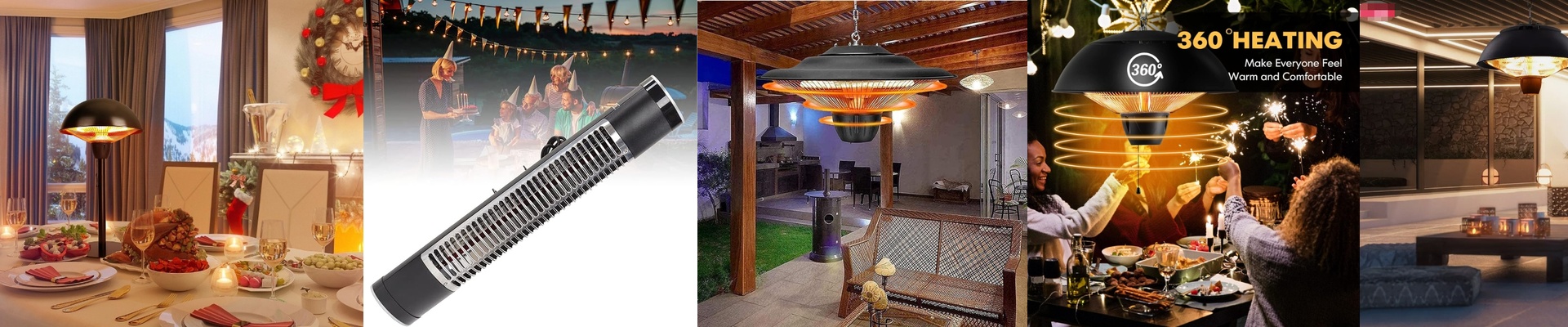
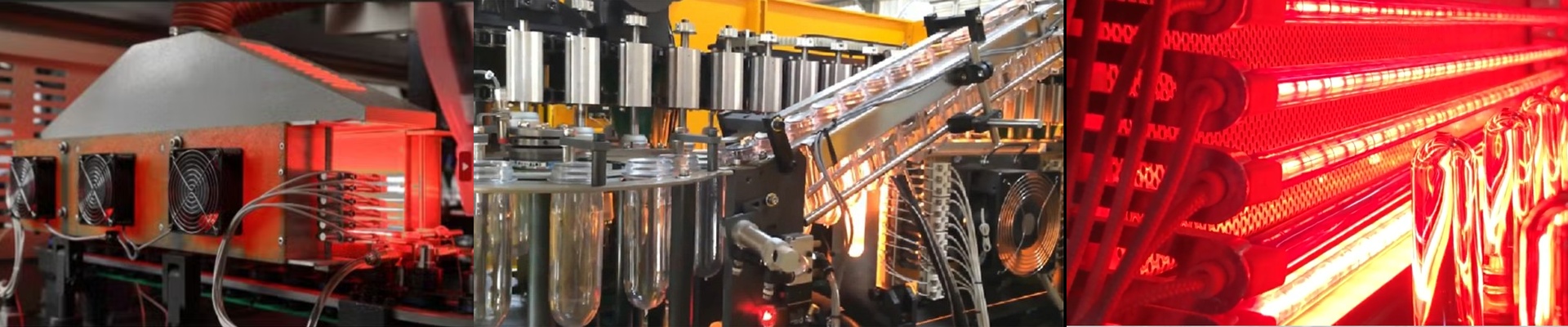
The rush is on. Tickets keep printing, and the pass is calling for plates that have to leave hot, fast, and on point. You slide a tray in to reheat, expecting it to come back with a crisp exterior and a steaming core. Instead, you pull out something uneven—pale on one side, scorched on the other. More often than not, that weak link is the heating tube. Speed matters in reheating, sure. But control matters more. A tube that sprints to temperature without a plan dumps heat in a sloppy, uneven way that’s hard to manage. The result is wasted product, wasted time, and wasted energy.
What matters under the hood
We build heating tubes for commercial ovens around one job: predictable heat, fast and even. For reheating, that means picking the right element technology and matching it to how the oven behaves thermally.
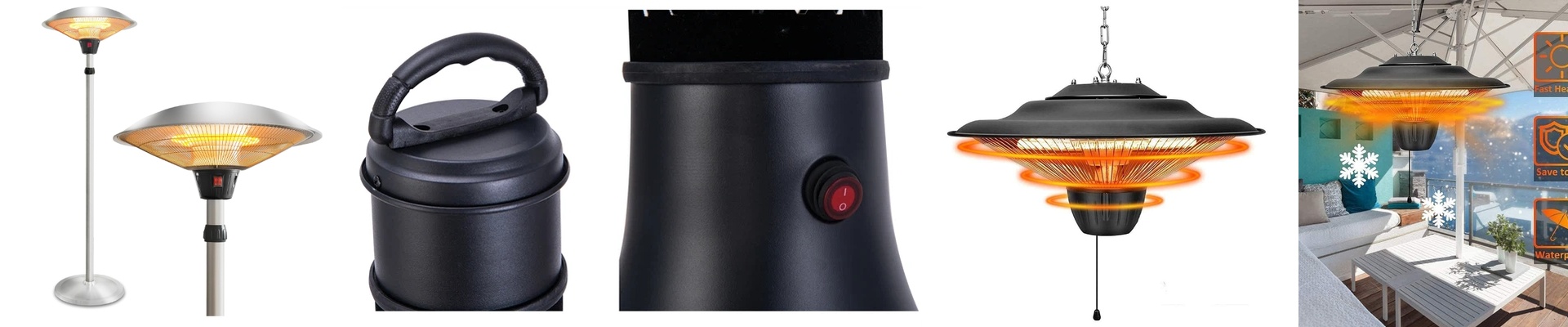
- **Element choice: Halogen, Quartz, or NIR (Near-Infrared).**These tubes give you rapid response and tight control. Halogen and quartz shine when you need fast heat-up and fast cool-down, so you’re not fighting residual heat in the baking chamber. NIR tubes penetrate the food surface efficiently, which helps you reheat without torching the exterior.
- **Power and voltage.**Most setups run 220–240V, with power matched to the oven size and how hard it works. Higher watt density helps recovery, but the goal isn’t brute force—it’s power matched to the cavity so you get stable temperature, not spikes.
- **Dimensions and mounting.**Tube length and diameter have to fit the oven’s interior geometry. Fins, brackets, and terminal types are specced to drop into standard mounts. The payoff is practical: install it once, align it once, and stop chasing hot spots.
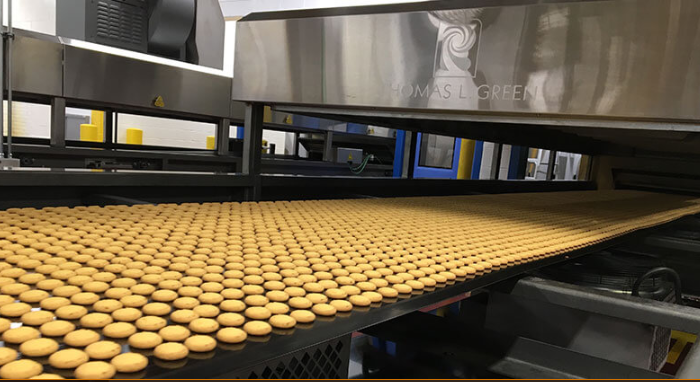
- **Thermal behavior.**Reheating demands quick response and even distribution. Tubes with consistent output along their length cut down the swings that create uneven color and texture. In practice, that translates to a reheat cycle that comes back with a uniform, golden finish—outer surfaces lightly crisp, interiors fully warmed through.
Why this matters on the line
In a busy kitchen, the oven is rarely idle. You’re reheating proteins, finishing pizzas, crisping breads, and warming prepared sides. The heating tube has to keep up without turning the baking chamber into a blast furnace. Fast heat-up shortens the window between trays. When the element hits target temperature quickly, you shave minutes off each order. That adds up over service and keeps the line moving. Even heat gives you control over quality. You get consistent browning—the kind that reads as a rich, golden color across the whole surface. You get the right texture: crisp outside, tender and hot inside. That’s the difference between a pass that feels steady and one that feels chaotic. Energy use drops when the element is matched to the cavity. A properly sized tube heats the space efficiently instead of overshooting and cycling hard. Fewer on-off swings mean less waste heat and lower bills. Longevity matters when the oven runs all day. Tubes built for commercial duty take repeated cycling and high temps, which cuts unplanned maintenance and keeps the oven in service.
What you need to know
Installation is straightforward, but it pays to be precise. Match the voltage, confirm the terminal connections, and make sure the tube sits in the mounts without stress. Misalignment creates uneven clearances, and that can lead to localized overheating and a shortened life. Compatibility isn’t universal. Ovens vary in cavity size, airflow, and control systems. A tube that works perfectly in one deck oven may not suit another, especially if the thermostat and airflow patterns differ. If you’re swapping elements across brands, check cavity geometry and the control profile to avoid a mismatch. One practical trade-off: high-response tubes heat fast and cool fast. That’s ideal for reheating, but it can be too aggressive for delicate items if the thermostat isn’t tuned or the oven is overloaded. The fix is simple—run the oven at the setpoint the product needs, not the highest available, and don’t crowd the trays. When the heating tube is right, the oven behaves the way you need—predictable, responsive, and consistent. Plates leave the pass with the look and feel you want: even color, the right crispness, and heat through the center. In a service where timing is everything, that consistency is the difference between surviving the rush and running it.