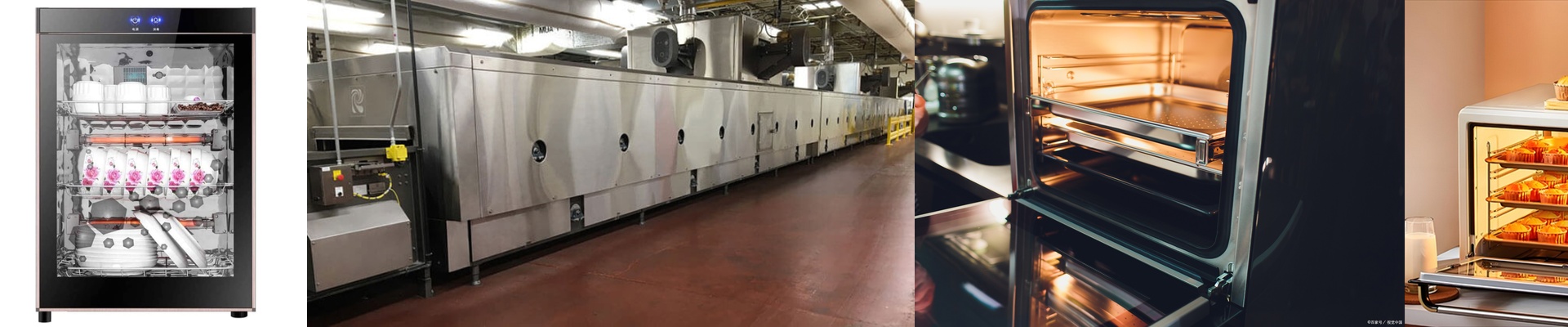


When the tickets are piling up and your deck oven is screaming for heat, waiting for the baking chamber to climb back to temp is money burning on the floor. In a busy commercial kitchen, slow recovery and uneven heat turn service into a mess and leave crusts all over the place.
What actually matters under the hood
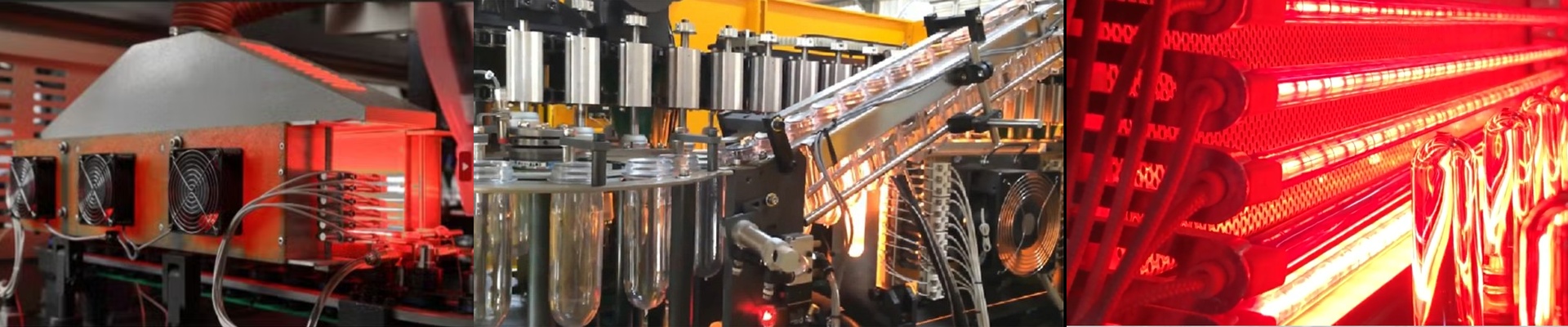
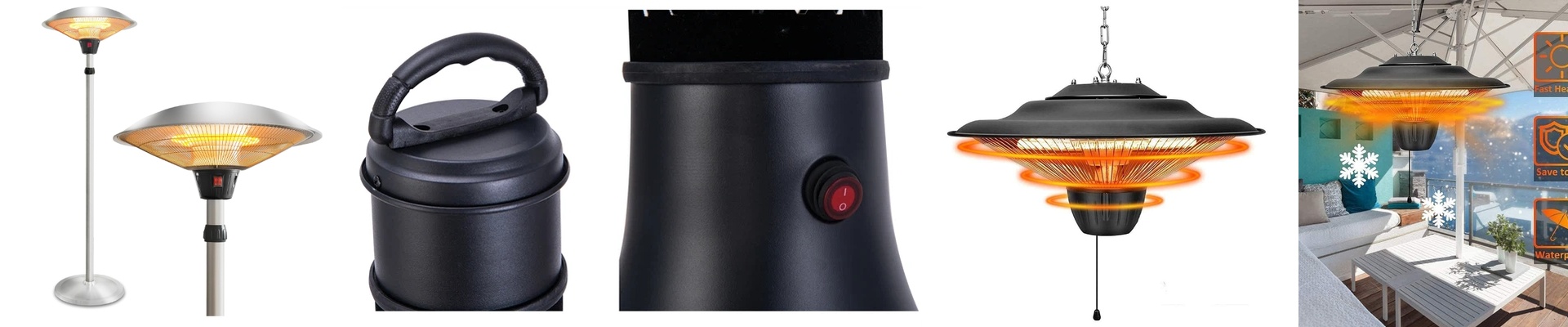
The gold-coated quartz tube in a convection oven puts short-wave infrared right where you need it. The gold coating reflects infrared energy back into the heating zone, so efficiency goes up and heat goes where it should. The quartz envelope lets the element respond fast, so the oven hits setpoint quickly and holds steady without hunting. In real life, that means near-instant heat-up, tighter temperature control, and a heat profile across the baking chamber you can count on shift after shift.
Where this element earns its keep
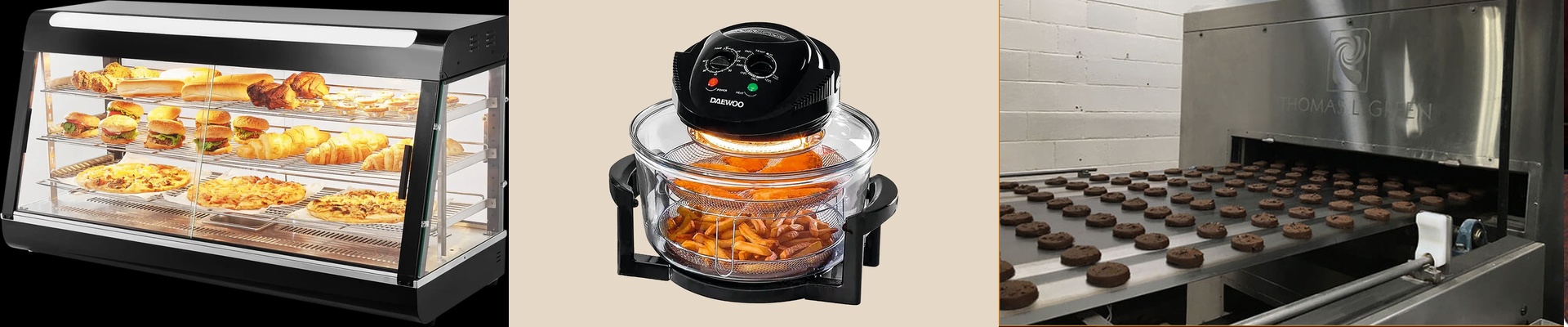
This is the kind of element that shines when the work is heavy—baking and roasting under pressure. In convection ovens, it cuts preheat time, speeds up bake cycles, and helps brown more evenly—especially on thin crusts, sheet pan breads, and par-baked items. The infrared edge means heat arrives the second the thermostat calls for it. Less waiting, more consistent product coming out the door. You’ll see faster recovery after the door opens, better crust color, and caramelization that behaves itself, which keeps the line moving when the rush hits.
The stuff you need to keep straight
Installation is straightforward, but match the element to your oven’s voltage, wattage, and mounting specs. Double-check the connector type and clearances so you don’t create hot spots. Keep the tube clean and dry—moisture and grease buildup will cut its life short. The gold coating boosts reflectivity, but it’s still a consumable. Plan replacements around peak volume so downtime stays minutes, not hours.