

Keeping the Heat Where It Belongs: Why Our High-Ceiling Heaters Don’t Quit
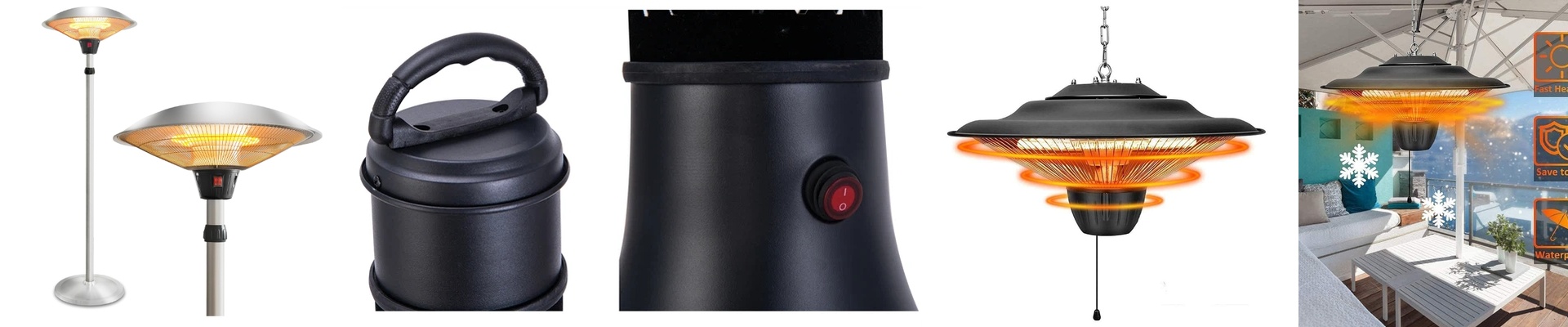
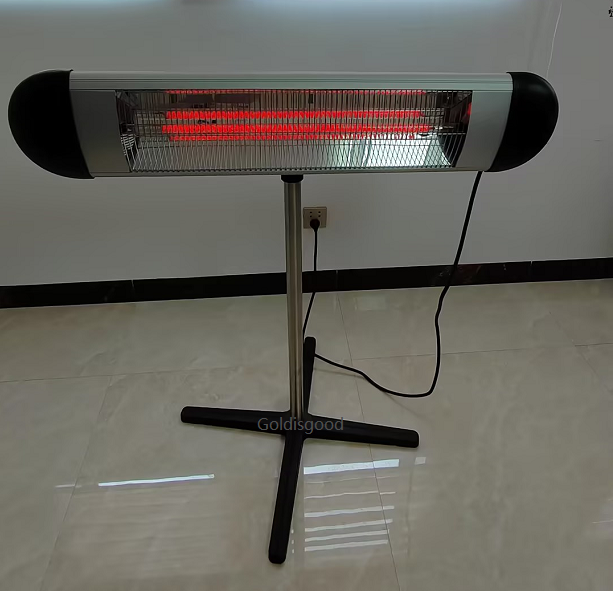
If you’ve ever spent a winter morning in a massive warehouse or a drafty hangar, you know the struggle. It’s freezing. And when you’re dealing with those kinds of ceilings, most heaters just give up. We’ve seen it a thousand times: moisture gets in, the lens fogs up, and suddenly you’re staring at a dead unit. So, we decided to build something that actually survives the grind. The battle against the drip Here is the problem with high-voltage heating elements: they hate water. Just one cold drop hitting a scorching hot quartz tube is enough to cause “thermal shock.” Basically, the glass cracks. It’s that simple. To stop that from happening, we wrapped everything in a sealed housing with heavy-duty gaskets. It keeps the water out and the electrical connections bone-dry. You won’t have to deal with those annoying short circuits or the “mystery burn-outs” that usually plague open-frame heaters in damp shops. Why “clear” means “warm” Then there’s the fogging issue. When condensation builds up on the protective shield, it acts like a curtain, blocking the infrared heat from actually reaching the floor. Most people just crank the power to compensate, but that’s a losing game. You’re just burning through energy and wearing out your filaments for nothing. We fixed this with a specific coating and a smarter airflow design. It keeps the surface clear, so the heat hits you exactly where you need it. No dimming, no wasted power. Just warmth. A quick heads-up on the trade-off Now, look—nothing is perfect. Because we sealed these units tight to keep the water out, they don’t “breathe” as easily as a cheap, open heater would. This means the inside of the housing gets pretty hot. Because of that, you can’t just shove these into a tight corner or box them in with other gear. Give them some space. Make sure your mounting brackets are rated for the heat and leave a bit of a gap around the unit. We built these things to take a beating, but they still need a little room to breathe to keep the wiring happy.