Getting the Heat Right in Smart Pizza Ovens
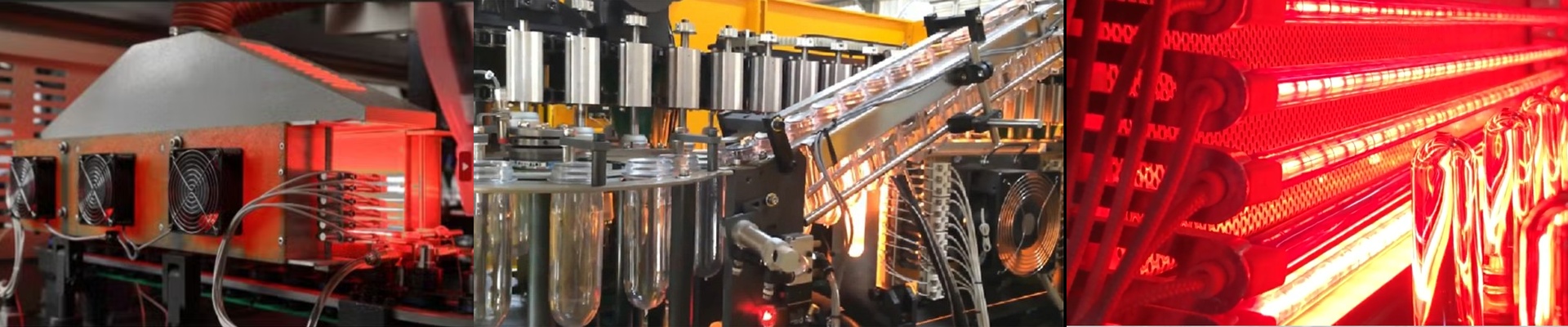
Commercial pizza ovens are getting a lot smarter these days. We’re seeing more AI-driven thermal management, which basically means the oven needs heating elements that can react the second a controller tells them to. To make that happen, we use high-precision infrared quartz lamps. They’re the only way to keep those temperature windows tight. The power side of things We build these bulbs for speed. By packing high wattage into a short quartz tube, you get that intense, radiant heat that sears the dough instantly. It’s the secret to getting a perfect crust without drying out your toppings. Just a heads-up: you have to match the voltage and wattage to your power board exactly. If you try to over-spec the wattage, you’re asking for trouble—you’ll likely blow a relay or overheat the whole chassis. What they’re made of We use high-purity quartz glass because it can handle the brutal thermal shock of a kitchen. Some of our pro units are filled with halogen gas, which helps the filament last longer and keeps the heat steady. And because we know how chaotic a dinner rush is, we use standard R7s or snap-in connectors. No soldering, no fuss. You just drop them in and you’re back in business. Playing nice with smart controls Smart ovens love high-frequency switching. Our lamps are built to handle the rapid-fire on/off cycles of a PWM controller without the filament burning out prematurely. But here’s the catch: quartz is fragile. These lamps are incredibly fast, which is great for the AI, but they can’t take a beating. Make sure your mounting clips are perfectly aligned. If there’s any mechanical stress on the glass when you install it, the lamp will crack the moment it hits 600°C. If your oven frame is warped, don’t just plug it in. Fix the frame first, or you’re just wasting a bulb.