
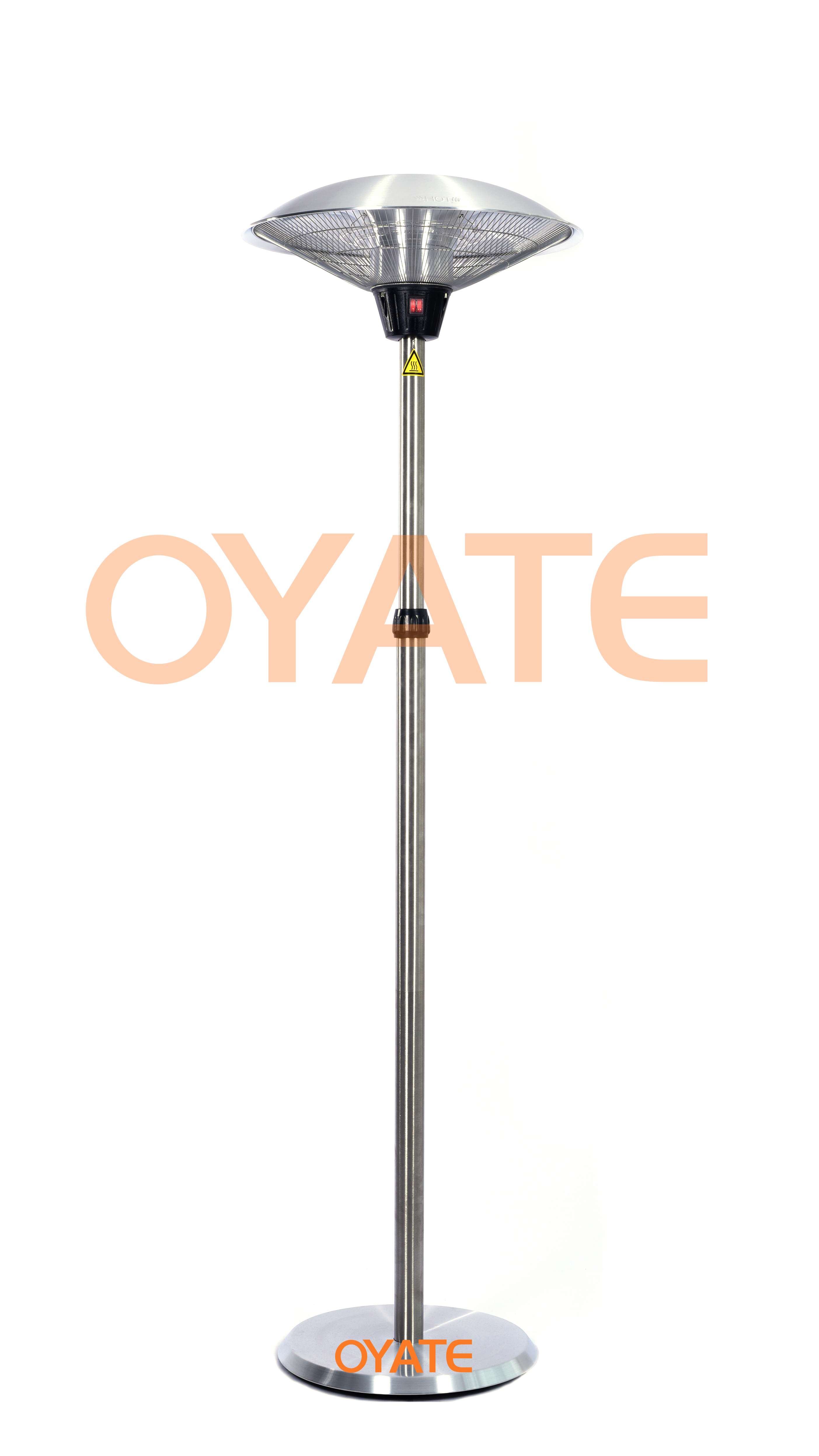
When your smart home is chasing comfort and efficiency, the heating element is the hinge. It decides how fast the room responds—and how hard the electric bill hits. Traditional fan heaters hold heat in heavy elements and housings, so they always lag behind the command. You end up with overshoot, wasted kWh, and a living room that feels stuffy before it ever feels warm.
What matters under the hood
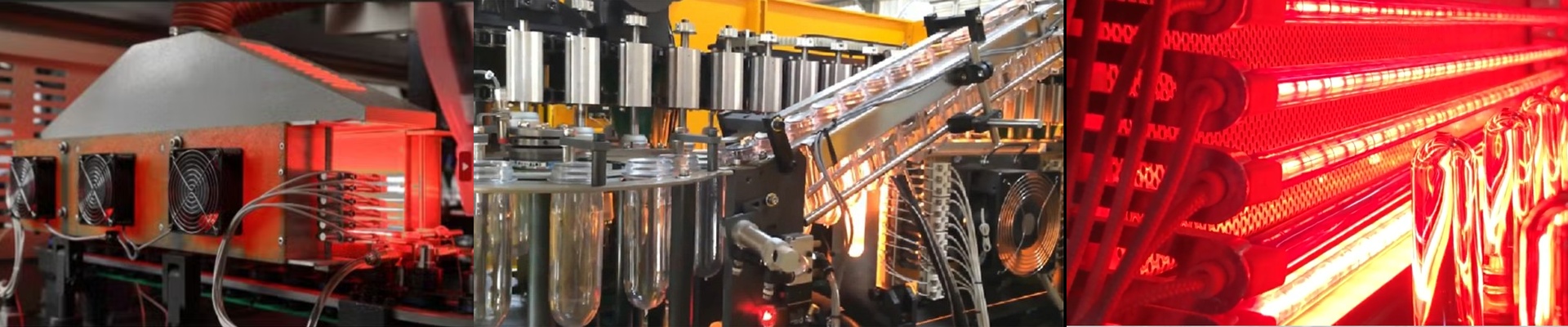
We built our portable fan heater around a low thermal inertia infrared element—usually a carbon fiber or quartz-based design. The core comes up to temperature almost instantly, so you feel radiant warmth the moment it’s switched on. A compact fan helps spread that warmth more evenly, but the primary transfer is direct infrared, not just heated air. That approach keeps the unit small and light, with far less thermal mass than heavy ceramic or coil-based heaters. In practice, you get faster start-up, quicker adjustments, and tighter temperature tracking when it’s paired with a thermostat.
Why it plays nice with smart control
In a family home on smart control, the real win is responsiveness. Low thermal inertia means the heat keeps pace with the sensor’s readings, so the system doesn’t keep dumping heat after the target temperature is hit. That cuts waste and keeps the room from swinging between too hot and too cold. You get cozy, targeted warmth without paying the long warm-up penalty. For homeowners, that shows up as shorter run cycles and steadier energy use—especially in spaces that get heated only intermittently.
The practical stuff you need to know
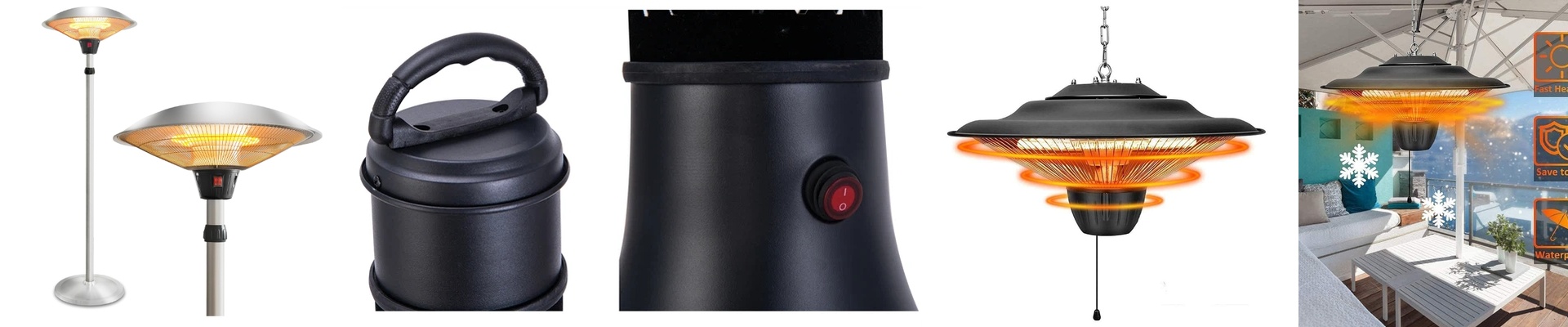
Infrared warmth is directional, so placement matters. Put the heater where people actually gather, and keep it clear of furniture and curtains for comfort and safety. Most models are built for indoor use; if you want outdoor coverage, confirm the IP rating and choose an outdoor electric heater rated for the conditions. And the fast-response element doesn’t love voltage swings. Plug into a stable outlet, and consider a surge protector for long-term reliability.