

In a gallery, temperature isn’t just about comfort—it’s about conservation. A cold balcony or exhibition area doesn’t just make visitors grab their coats; it throws off the stable microclimate that artwork and artifacts need to stay in one piece. Conventional heaters that push hot air stir up dust and drive humidity swings, which can warp frames and stress delicate surfaces. The clean answer is infrared warmth, delivered by a balcony heater built for careful, targeted heating.
What matters, technically
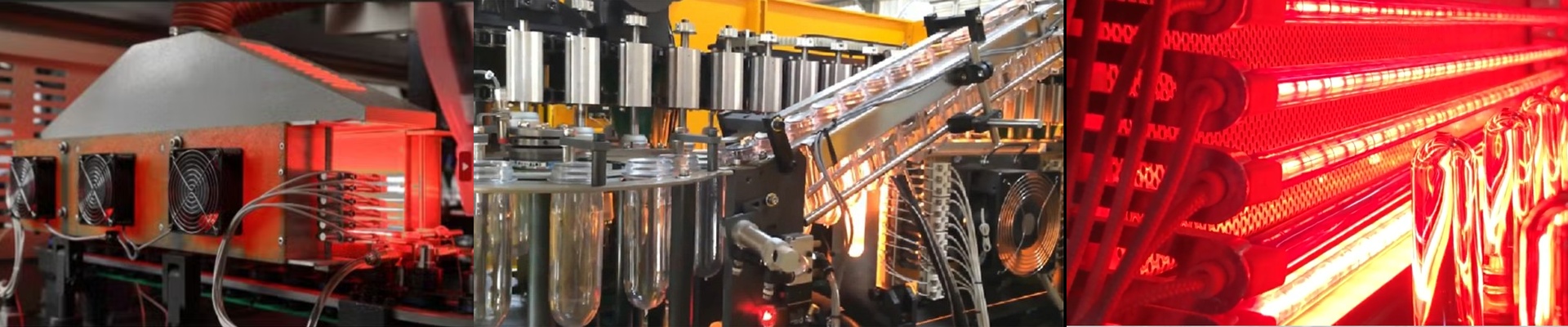
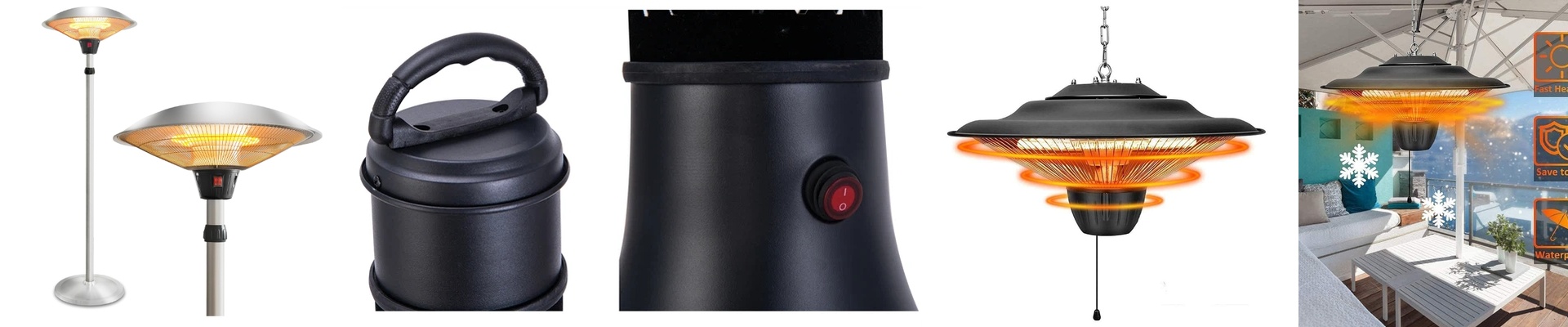
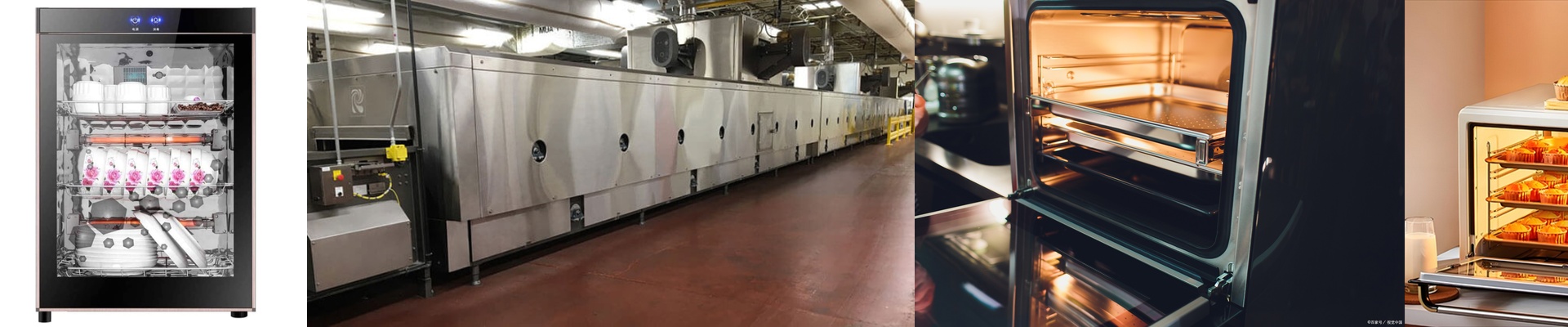
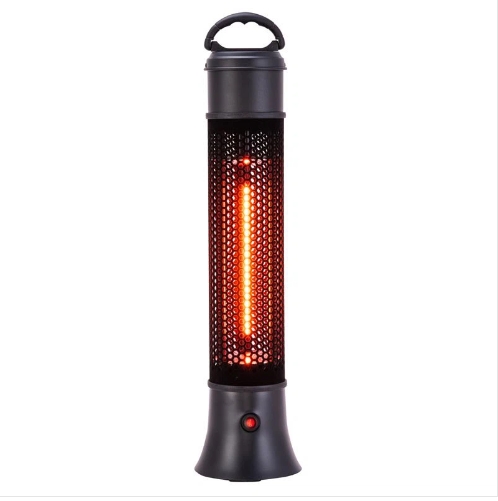
We lean on short-wave infrared with a quartz tube element, so the heat is radiant—it travels through the air without moving the air. You get immediate warmth on people, floors, and objects, with zero forced convection. Output is adjustable in small steps, so you can hold a steady setpoint instead of chasing wild swings. A built-in thermostat keeps the space within a tight band, and the heater’s outer surface stays cool to the touch, which helps prevent accidental contact. Electric operation means clean, localized heat—no combustion byproducts—and the directional pattern lets you focus warmth right where it’s needed.
Why this approach fits galleries and museums
Galleries and museums need heat that treats the collection with respect. Infrared heating warms surfaces and occupants directly, so the air stays quiet and stable. No drafts to stir particulates, no loud fan noise to interrupt the experience, and no visible flame to raise safety flags. On balconies and in entryways, the result is the same: people feel cozy within seconds, while the surrounding environment stays undisturbed. The system responds quickly, too, so you can keep comfort steady during opening hours and dial it back when the space is empty—energy use stays predictable.
The details that make the difference
Infrared is directional, so placement matters. Plan for even coverage by spacing units to match beam width and mounting height, and avoid keeping delicate pieces in direct line-of-sight for long stretches. The electrical side is straightforward, but the heater needs a dedicated circuit and should be installed by a qualified electrician. For outdoor or humid locations, confirm the IP rating is appropriate; if you need more protection, we can specify models with sealed housings. Used thoughtfully, a balcony heater becomes a quiet ally—protecting what matters while keeping everyone warm.