

When you’re settling in for a quiet evening in the living room, the last thing you want is a heater that makes itself the main character—humming, drafting, and generally getting in the way. We built this in-wall electric fireplace to do the opposite: deliver warmth that feels natural, not mechanical. It’s comfort you can count on, without rearranging the room just to make room for the equipment.
What matters under the hood
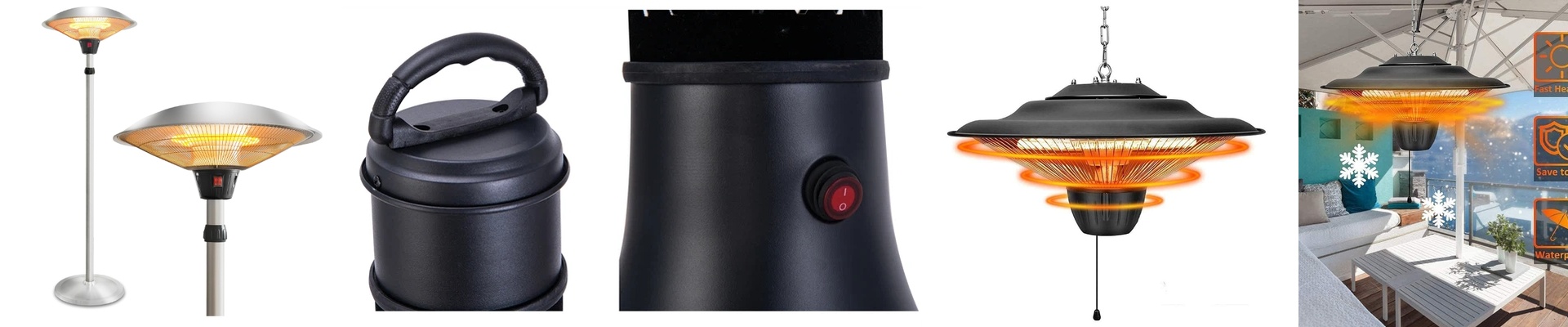
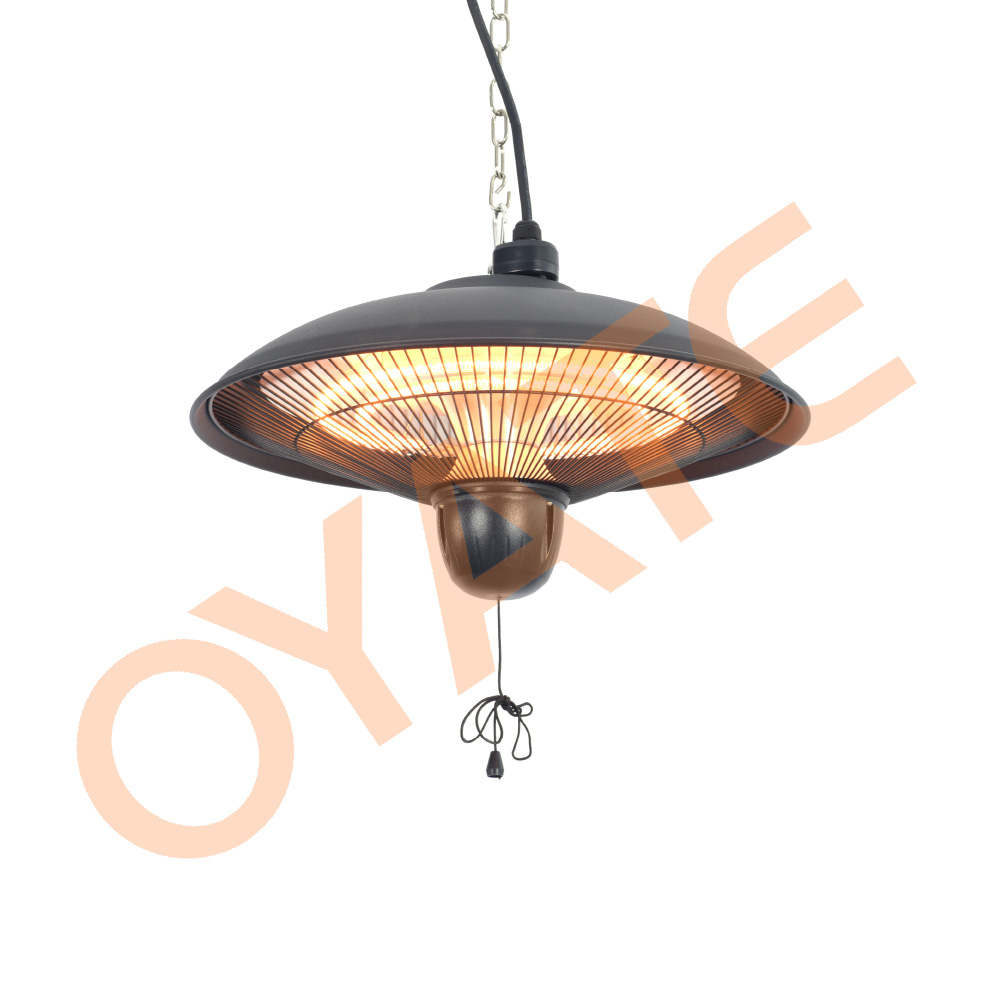
An in-wall electric fireplace leans on radiant heat, usually from a quartz element or a modern carbon fiber panel. That means directional warmth—heating people and objects directly, instead of pushing air around. Match the output to the room: you’ll see common ratings from 1,500 to 5,000 watts, with 240V hardwired connections for steady, consistent performance. Look for a built-in thermostat to hold the room temperature where you want it, and a multi-stage control so you can fine-tune the feel. With infrared warmth, the heater itself has no moving parts, so it runs quietly and stays low-maintenance.
Why in-wall makes sense in this setting
Recessing the unit turns dead wall space into a heat source that stays out of foot traffic and doesn’t fight your furniture layout. Because it’s radiant, you feel the comfort faster, and the warmth doesn’t disappear the instant the air movement stops. That also makes zone heating practical. Run the fireplace in the rooms you’re actually using and scale back the central system—helpful for managing energy use without sacrificing comfort. The clean, recessed look keeps the room calm, and the heat supports that steady coziness that makes evenings stretch a little longer.
The details you need to get right
Installation is the main hurdle. Most in-wall electric fireplaces are meant to be hardwired by a qualified electrician, and you need proper clearances inside the wall cavity. Plan on a dedicated circuit, and check local codes before you start. If the space is humid—bathrooms, saunas—confirm the unit is rated for moisture-prone areas. Many are fine in dry indoor rooms, but damp conditions demand specific protection levels. Once it’s in, the payoff is simple: push-button comfort, clean lines, and heat that lands exactly where you want it.