Why Recessed Infrared is the Way to Go for Changing Rooms
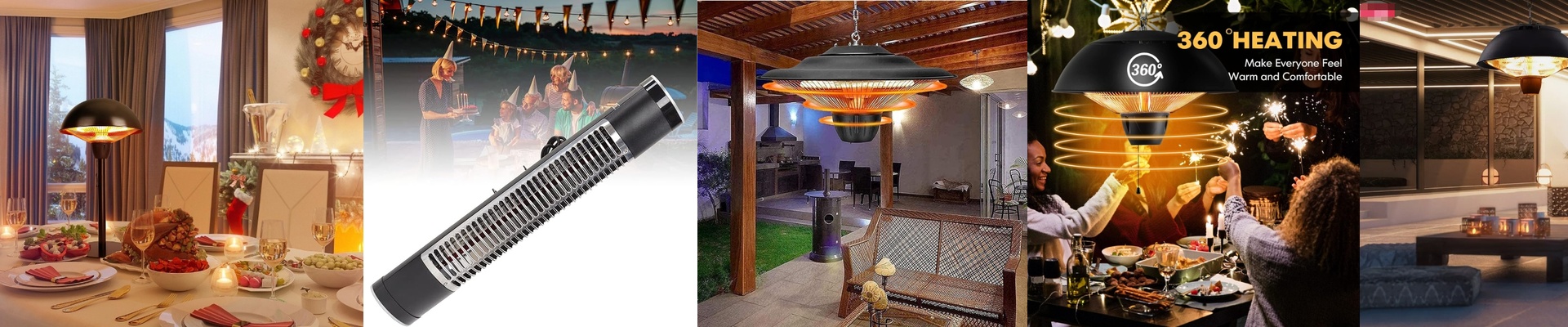
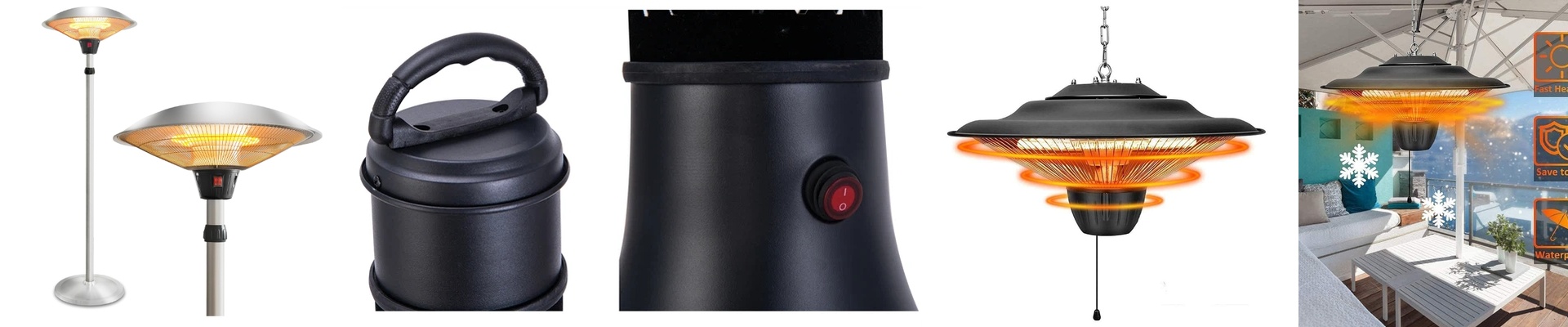
Let’s be honest: changing rooms are usually a nightmare to keep warm. You’ve got huge ceilings and doors that stay open half the time, so most of your heat just floats up to the rafters or drifts right out the door. If you’re using standard forced-air heating, you’re basically paying to heat the air—which is a waste of money. That’s why we use recessed infrared heaters. Instead of fighting the air, we just heat the people. The magic of radiant heat Here’s the thing about infrared: it doesn’t care about the air temperature. The waves just travel through the room and only kick in when they hit something solid—like a person’s skin or a wooden bench. It feels great. You can walk into a chilly locker room and feel that warmth hit you in seconds. By tucking these into the ceiling, we keep the room looking clean while pushing a cone of heat straight down where it’s actually needed. Getting the install right We usually go with short-wave or medium-wave emitters. If you want that “instant-on” feeling, short-wave is the way to go. It hits peak temperature almost immediately. But you can’t just slap these in. You’ve got to make sure your ceiling joists can take the weight and that your electrical panel isn’t going to freak out from the wattage. And a pro tip:leave some breathing room.Since these are recessed, they need air gaps. If you jam them too tight against the drywall, you’re going to trip the thermal cutoff—or worse, scorch your ceiling. The “Cold Spot” Problem Now, there is a catch. Because these heaters are so intense, the heat is concentrated. If you’re standing right under the lamp, it feels like a five-star spa. But if you step three feet to the left? You’ll feel a sudden chill. To fix that, you have to be smart about where you place them. Map out the room and space the emitters so there aren’t any “dead zones.” Plus, hook them up to a zoned controller. That way, when the room is packed, you aren’t accidentally turning the place into a sauna.