
Stop Fighting the Draft: How to Actually Warm Up Your Workshop Changing Room
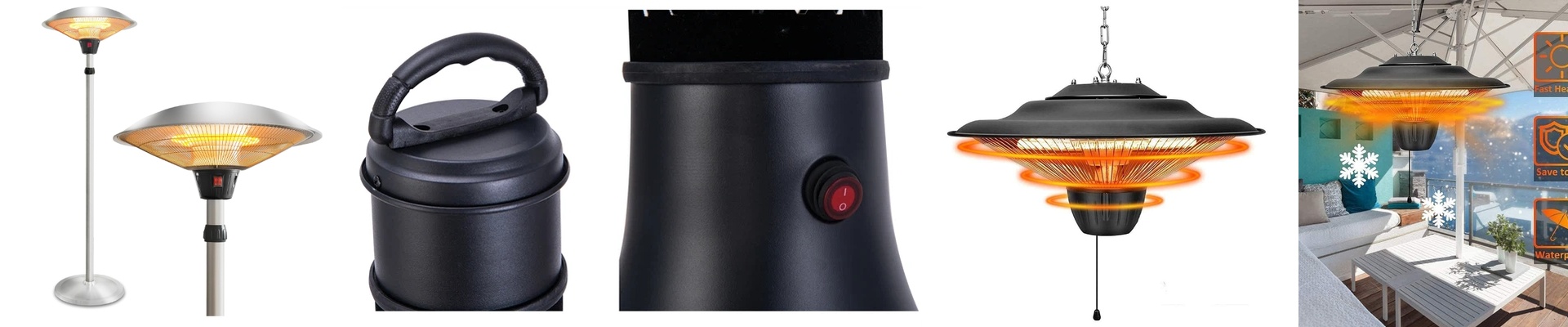
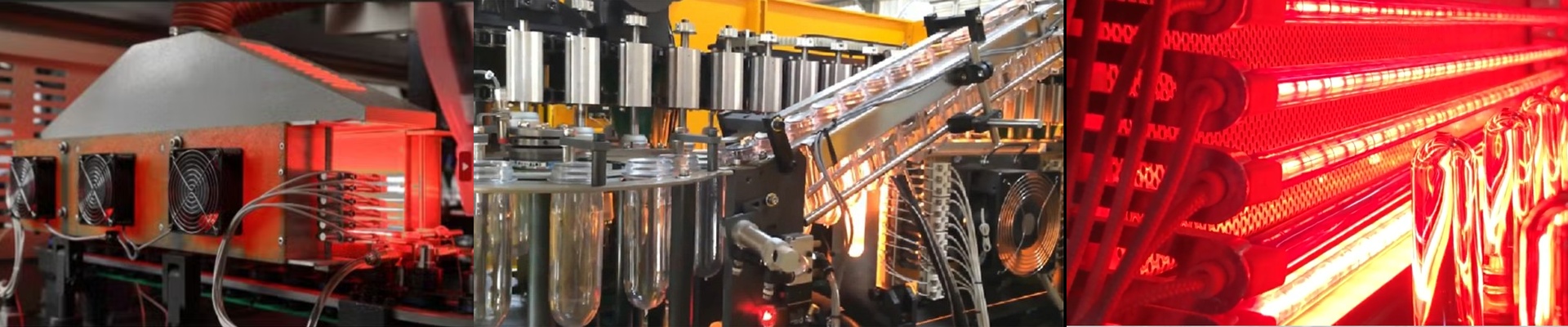
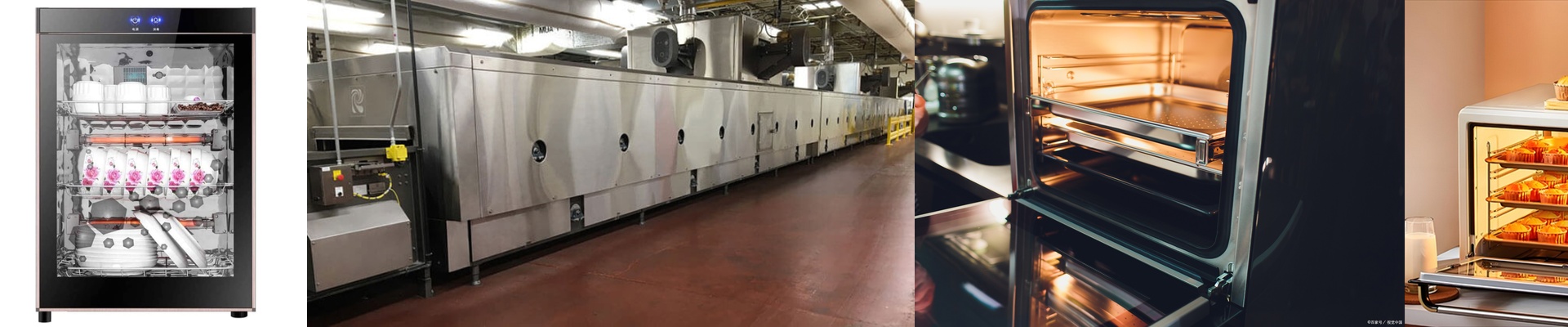
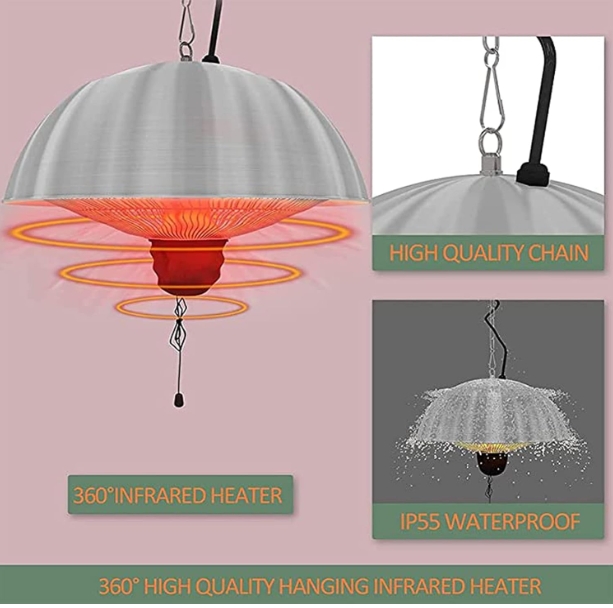
If you’ve ever tried to heat a drafty workshop changing area with a standard forced-air heater, you know the struggle. You spend all morning cranking the heat, only for a single open door to let every bit of that warmth vanish into thin air. It’s frustrating. And honestly, it’s a waste of money. The problem is that those heaters try to warm the air. But in a big, open shop, the air just moves. That’s why we stick with ceiling-mounted infrared (IR) heaters. Instead of fighting the breeze, these units just ignore the air entirely. They send heat straight down to the things that actually matter—the people, the benches, and the floor. It’s instant. Here is how it works in plain English: IR radiation travels in a straight line. When those waves hit you, they make the molecules in your skin vibrate, which creates heat immediately. You don’t have to wait for the room to “warm up.” You just step under the heater and feel the warmth on your skin in seconds, even if the rest of the room still feels chilly. Now, if you’re dealing with high ceilings, you can’t just grab any old unit. You need some real power to bridge that gap. We usually go with quartz-halogen tubes because they kick in fast. But you’ve got to do a bit of math first. If your heater is sitting 4 meters up, it needs a lot more punch to make sure someone standing at shoulder-height actually feels comfortable. And since workshops are, well, workshops, we wrap everything in rugged housings. Dust happens. Tools get dropped. You want gear that can take a hit without shattering. A few things to watch out for during install. Wiring is pretty simple, but check your electrical panel first. These units pull a lot of current the moment they flip on, and you don’t want to be tripping breakers in the middle of a shift. Also, be smart about where you put them. IR heaters create “hot spots.” If you mount one directly over a metal locker, that metal is going to soak up the heat and stay hot long after the power is off. Don’t just look at the square footage of the room on a blueprint. Instead, look at where your team actually stands to change their boots or grab their gear. Put the heat where the people are. That’s the only way it actually works.