

Introduction
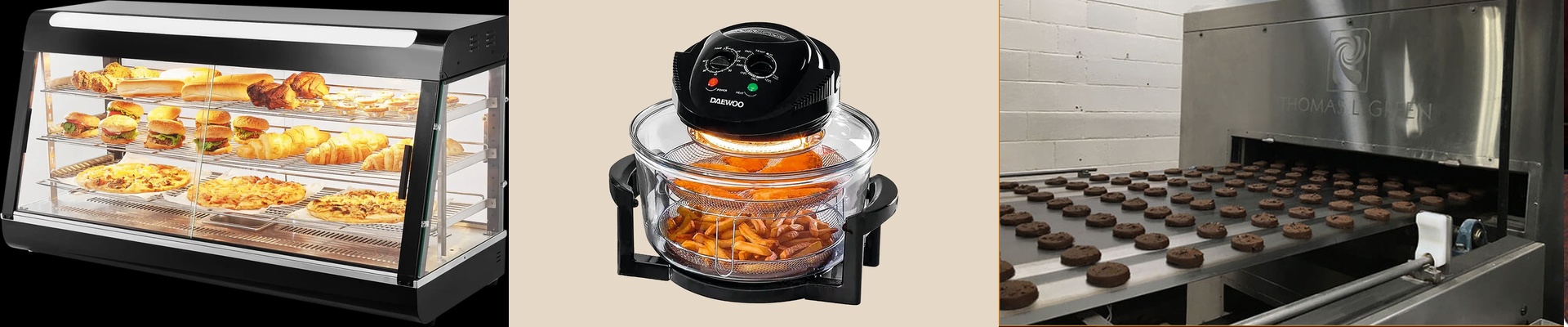
We make halogen infrared heaters for spaces where cleanliness and precision aren’t optional—they’re the whole point. These units warm things up without pushing air around. No dust swirling. No drafts. Just steady, quiet heat. In display windows and high-precision labs, that means stable temperatures without the risk of contamination.
Power, Voltage, and Size—Kept Simple
Here’s the core idea: we pack a lot of heat into a small shape. A typical unit runs on 400V, pulls 2500W, and fits into a 300mm tube. That’s the sweet spot—strong output in a tight footprint. You can slip it into cramped spots without redesigning the whole setup. And because the heat stays concentrated over that 300mm length, zoning and control feel straightforward. But there’s a trade-off. High heat density means you need to plan for thermal management. Make sure nearby equipment and ventilation can handle the localized rise in temperature.
The Build: Quartz, Halogen, and the R7s Connector
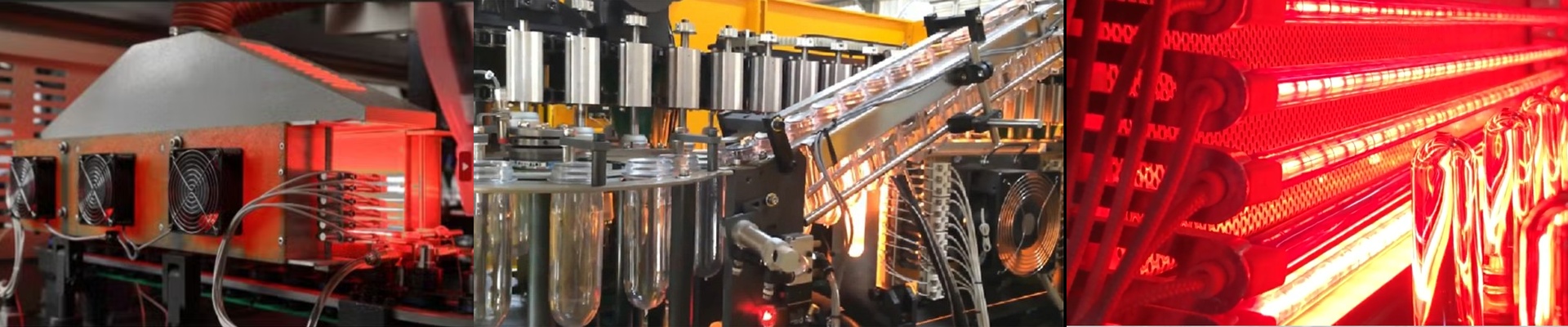
The heating element lives inside a quartz tube. Why? Because quartz stays steady when things heat up, and it responds quickly. Halogen gas fills the tube, protecting the filament and keeping output consistent over time. That design also keeps the surface clean and cuts down on particulates—exactly what you want in dust-sensitive areas. And the R7s connector? It’s standard for a reason. It gives you a secure, high-temperature electrical connection that’s fast to wire and holds firmly in fixtures. It drops right into many industrial mounts, so installation is quicker and you don’t have to fight alignment.
Clean Heat Where It Matters
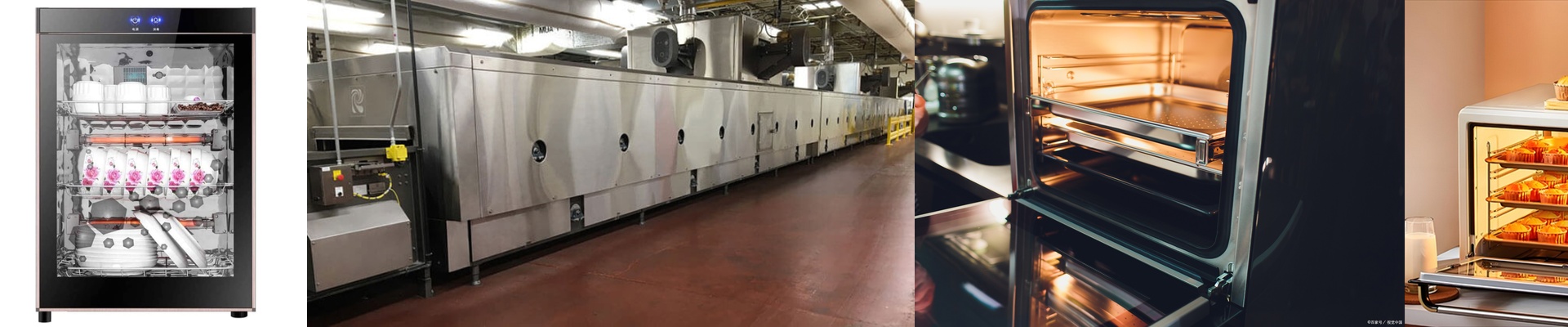
In display windows, infrared heat targets the glass and interior without stirring up air. The payoff is even warmth that prevents condensation and keeps visibility clear. In labs, the lack of air movement helps keep particles settled, so calibrations and sensitive instruments stay protected. You get fast heat-up, localized control, and low maintenance. The quartz tube handles repeated heating and cooling, and the halogen fill keeps performance steady. Just size your cooling and mounting correctly, and the heater will run reliably—right where you need it, in tight, sensitive spaces.