
Introduction
We built this electric shoe dryer with one clear goal in mind: get heat where you need it, fast—without the thing falling apart on you. The heart of it is an infrared heating lamp, built to handle being switched on and off all day long, and still keep going. It’s not some flimsy consumer part. It’s a serious, industrial-grade heat source, chosen because it’s tough, dependable, and built to last.
The Power Behind the Heat
The heater is a 400V, 2500W halogen infrared tube, and it’s 300mm long. That combo packs a lot of heat into a small space, so you can dry things quickly without needing a giant machine. The length gives you a predictable spread of heat, which makes it easier to match the drying needs of different shoe parts—or whatever else you’re working on. But here’s the catch: all that power in a short tube means things around it get hot. You’ve got to plan for airflow and heat dissipation in your design. If you don’t, nearby parts and wiring will start running hotter than you’d expect.
What It’s Built From—and Why It Matters
The tube uses a halogen cycle inside a quartz envelope, which keeps the heat output steady over time. That halogen chemistry helps slow down filament evaporation, so the lamp lasts longer—especially when you’re turning it on and off a lot. And the quartz body can handle the shock of rapid heating and cooling way better than regular glass, which is exactly what you need on a busy automated line. The infrared coating is tuned to push out heat as usable energy, not waste it on hot air. And the R7s connector? It’s a no-fuss, industrial choice. Two terminals, secure, easy to wire, and it stays solid even when things are vibrating or you’re doing regular maintenance.
What It Feels Like to Use
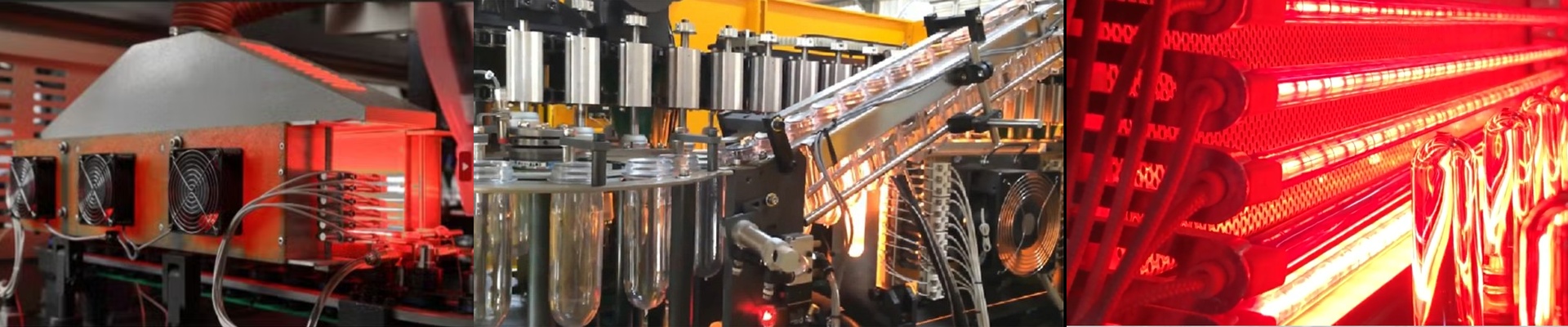
On the job, a shoe dryer has to deliver: heat up fast, hold a steady temperature, and perform the same way shift after shift. This infrared heater does exactly that. It’s built to be used hard, with a focus on making the most of the materials and keeping maintenance to a minimum—so you spend less time replacing parts and less money on scrap. We designed it for engineers who need a heat source they can drop in and trust. If your cycles are tight and you’re aiming for zero waste, this setup gives you the heat density and durability to hit your targets—without overcomplicating the whole machine.