

Why the Pros Use Infrared Ovens
Standard convection ovens just move hot air around. It works, but it’s slow. When you’re chasing that perfect loaf, you need a massive hit of heat the second the dough hits the deck. That’s what triggers “oven spring”—that magic moment where the bread leaps upward before the crust locks in. That’s why we put infrared (IR) elements in our professional setups.
How the heat actually works
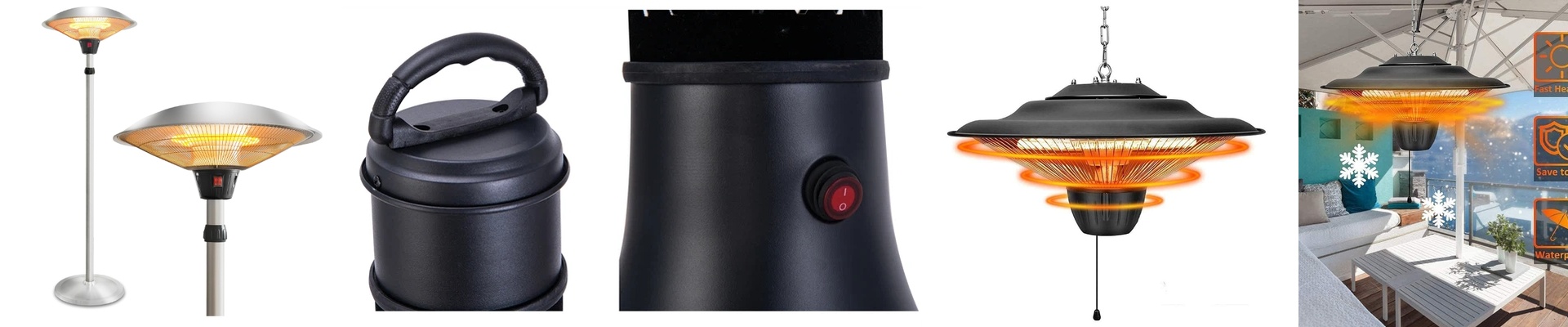
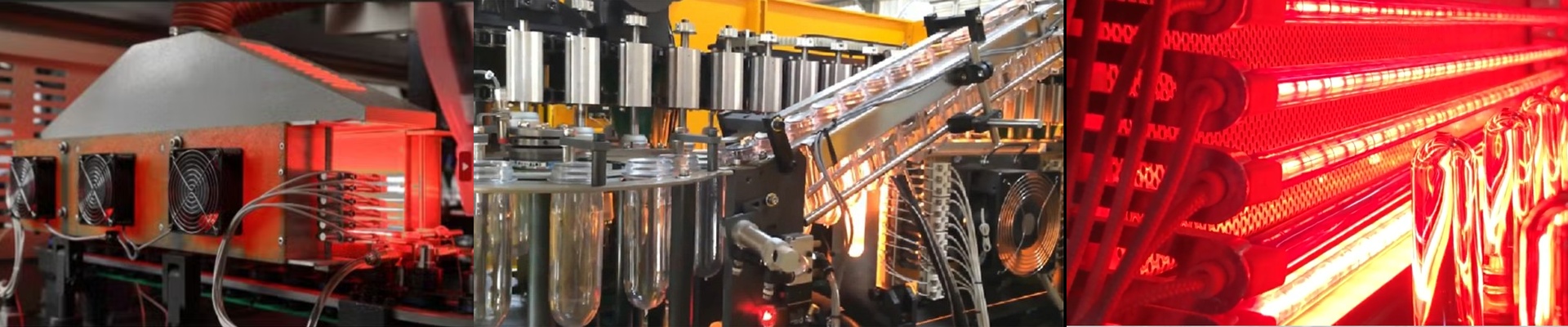
Instead of just warming up the air, IR lamps send out waves of energy. Think of it like the sun on your skin; it doesn’t wait for the breeze to warm up, it just hits you. We use quartz tubes that push heat deep into the crumb, not just the surface. It’s a win-win: your bake time drops and your bread stays moist inside instead of turning into a crouton.
Picking the right replacement
If you’re swapping out an old element, don’t guess on the specs. Your wattage and voltage have to be a perfect match for your oven’s power. If they’re off, you’re either going to end up with raw dough or a burnt-out element in a couple of weeks. Then there’s the connector—whether it’s an R7s or a slide-in. This part is trickier than it looks. If the fit is too tight, the glass will literally snap as it expands from the heat. Too loose? You’ll get sparks and arcing at the contact points. It’s all about that “just right” fit.
The tricky bits
High-density IR elements are powerhouses, but they’re delicate. **Pro tip: Never touch the tubes with your bare hands.**The oils from your skin create hot spots on the quartz, and that’s how they crack. Also, because these things heat up almost instantly, you have to make sure your PID controller is dialed in. If the timing is off, you’ll scorch the outside of your bread while the middle is still doughy. It takes a little tweaking, but once it’s set, it’s a different league of baking.