

Keeping Your IR Lamps Alive in a Steam Oven
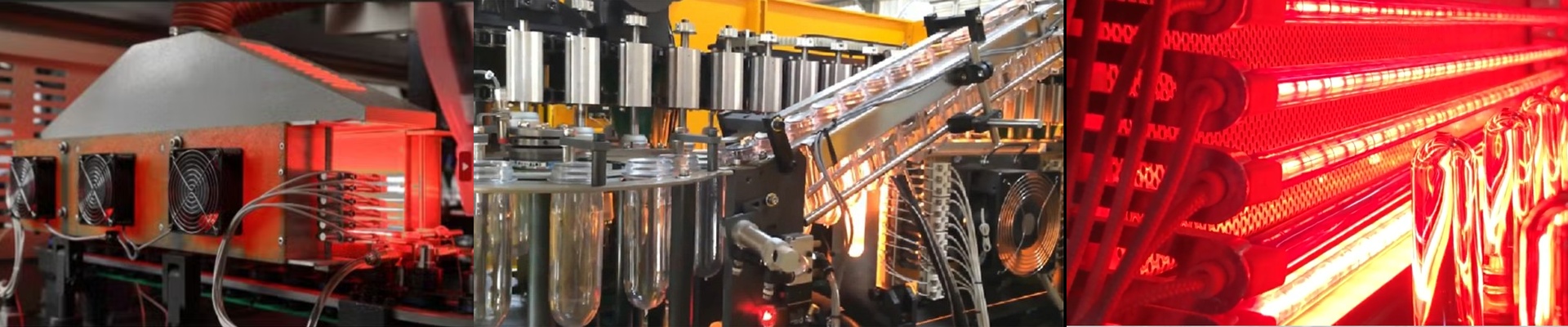
Here’s the deal with steam ovens: they’re great for the food, but they’re absolute killers for standard heating elements. All that humidity just eats them alive. That’s why we use specialized infrared (IR) auxiliary lamps. When the steam alone can’t quite hit the temperature you need, these lamps step in. They don’t bother heating the air; they just beam the heat directly onto the product. It’s fast. Really fast. Getting the power right You can’t just throw any lamp in there. We pick the wattage based on how big the oven is. If you want the temperature to bounce back quickly after you’ve opened the door to check on things, you need a high-wattage tube. But be careful with your voltage. Whether you’re running 220V or 380V, it has to match your power supply. If you try to force too much current through a tube that’s too short, you’ll pop the filament instantly. We spend a lot of time balancing the length and the wattage so the heat hits every rack evenly, rather than scorching one spot and leaving another cold. Fighting the moisture We use high-purity quartz glass because it doesn’t crack when the temperature swings wildly. But the real enemy is the vapor. In a steam oven, moisture loves to settle on the glass. To stop it from creeping into the electrical contacts and shorting everything out, we use specific coatings and heavy-duty seals at the terminals. It keeps the electronics dry while the oven stays foggy. A few things to watch out for These are designed to be simple drop-in replacements. You just wire them into the auxiliary circuit, and they only kick in when the primary steam heat dips. One heads-up, though: these lamps getinsanely hoton the surface. Make sure your oven chassis is well-insulated. If the lamp is sitting too close to the outer wall, you’re going to warp your casing. You want the heat tight on the product, but you’ve got to give the hardware some room to breathe.