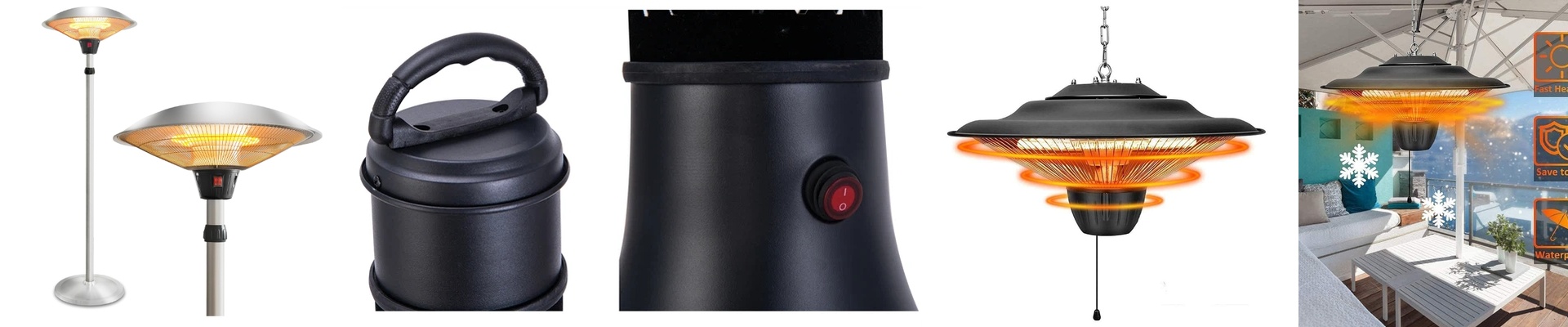


Outdoor service runs on heat you can trust. When a commercial patio heater goes down, guests feel it immediately—cold tables, conversations that drift, a service floor that loses its pace. We build for that reality, which means testing like bad weather isn’t a maybe—it’s a given.
What matters under the hood
Our commercial patio heaters deliver radiant warmth with a high-efficiency infrared element. It heats people and surfaces directly, not the air around them. The core is built for repeated start-ups and steady output, with internal connections that stay solid through thermal cycling. Add a sealed housing and a thermostat that holds temperature, and the heater runs only as hard as it needs to.
Why it holds up in real service
In a busy outdoor space, comfort is the product. We run aging tests that hold the heater in sustained heat and high humidity, pushing for weak points before they ever hit your patio. The result is straightforward: faster warm-up, fewer interruptions, and that steady infrared glow that keeps people seated longer. Consistent performance, season after season, translates to fewer service calls and costs you can plan around.
What to keep in mind on install
For the best results, aim the heater so it radiates onto seating areas—never directly onto anything combustible—and respect the clearances as specified. Most commercial patio heaters are hardwired, so plan a dedicated circuit and get a pro to handle the setup. The unit is built for damp outdoor conditions, but it still performs best when shielded from direct rain and wind. Keeping the control compartment protected keeps the electronics dry and the controls responsive.